Female Fundraising Charity Auctioneers
  • HOME
  • Services
  • Videos
  • ABOUT
    • Press
  • Testimonials
  • RESOURCES
  • Contact

Nonprofit Caucusing: The Easiest Way to Get Your Board Members to Give!

6/21/2019

0 Comments

 
Picture
In my previous life I was a Development Director for two large nonprofits. I ran board meetings, solicited donors, and created fundraising campaigns. I even had a board who closed their gifts early and all on the say day. How, you might ask? Through a caucus.

A caucus?


Yup. 

A caucus.

I’ve brought up this strategy with many of my clients and they all look at me like I’m crazy.


I assumed, incorrectly that most fundraising professionals know what a caucus is. I was wrong.


If you are struggling to close board or committee gifts, holding a caucus might be the strategy you need to not only lock in donations, but to bring your board or committee members closer together.


What is a Caucus?


A caucus is a group of people meeting to advance a shared cause. This term is most often used in relation to politics - but it also applies to nonprofits.


How Does it Work?


Along with the rest of your executive team, dedicate one entire board meeting to caucusing. Divide up into small groups of three or four people. Do not let people choose their own group. Instead, put people together based on their interests, passion, and giving capacity.


Instruct everyone to open up and talk about why they are involved with your organization, why they are passionate about your cause, and what in their life led them to your organization. Lastly, ask people to share either how much they are going to donate or how much they are going to increase their gift/donation for the year.


If this is your board’s first time caucusing together, it may be helpful to have a list of questions to help guide your groups in their discussion.  


The “why” is the most important part of the caucus because
it is so easy to lose focus on why we’ve chosen to give to specific organizations. Vocalizing this choice helps people remember why they got involved with the organization and it can reinvigorate board members who were losing their emotional investment in the organization.


Sometimes there’s even a bit of friendly peer pressure in this situation. If one member is only giving $200 and everyone else is giving $1000, that person may be inspired to increase their gift.


Caucusing is a unique and fascinating way to fundraise because of the personal nature of the discussions that arise. These discussions will often form the basis of new friendships and deepen the bond between board members. Best of all, you can close everyone’s gift in just about two or three hours. Talk about expedient!


The idea of caucusing and talking about giving can make some people very uncomfortable. Reassure your board/committee that this will be a positive process. By the end of the caucus the skeptics are usually won over and are often the biggest proponents of caucusing.


I recommend trying a caucus with your board this year. I think you’ll be pleasantly surprised by how well it works and how good your board members feel about your nonprofit afterward.

0 Comments

Fundraising With Boon Supply

5/31/2019

0 Comments

 
Picture
I just can’t get enough of this fundraiser!!

This is the second time that I have mentioned Boon Supply in an article but I feel like shouting it from the rooftops!

Every nonprofit organization should be familiar with Boon Supply.

Boon Supply is a fantastic, totally free and easy way to raise money for your nonprofit, school, church, synagogue, etc. Boon Supply is an online and print catalog containing items for the home. They sell reusable bags, kitchenware, storage, and so much more.

The best part?

40% of your purchase price is donated back to the nonprofit or organization running the fundraiser.

40%!
​
And all people have to do is shop.

What’s so great about Boon Supply is that catalogs or links emailed can be sent your network. This allows your friends and family members across the country to help support your school, church, or NGO. No need to be local like most of the cookie dough/popcorn/candy fundraisers, and their beautiful products will look amazing in any home.

Getting started raising money with Boon Supply only takes a few short minutes. Simply start a fundraiser through their website. You can choose to send out catalogs or email your supporters with a link to your fundraiser on the website. It’s that easy.

Try it out and tell them I sent you!
0 Comments

Thinking About Canceling Your Silent Auction? Read This First!

5/24/2019

0 Comments

 
Picture
As a charity auctioneer, I have worked with many nonprofits who choose to eliminate their silent auctions altogether, or make them a fundraising opportunity separate from their annual gala.

There are several reasons for this. The most common is that silent auctions are time consuming to prepare. Silent auctions also tend to have a low return on investment and they require a lot of volunteers to pull off.

The trend with my clients is clear: sixty percent of the nonprofits I work with would rather focus on putting together a large fundraising event with stellar live auction items and an amazing Fund-A-Need.

However, canceling a silent auction doesn’t work for all nonprofits. Schools, for example, can greatly benefit from continuing their silent auctions if they are currently a successful source of revenue. The integration of mobile bidding technology with a traditional silent auction allows schools to increase their reach, encouraging extended family members to support their niece or nephew’s education through an online silent auction.

If your organization chooses not to skip the traditional silent auction event, here are a few tips for maximizing your fundraising:

Hold Two Events
There is no rule that says you can’t hold two separate events. Hold both an exclusive gala and a wider appeal silent auction at different times of the year. Save the big ticket items and direct appeal for your gala event, which will likely include donors with a higher capacity to give. 

Fill your silent auction with items that have a broad appeal and a variety of price points. If you hold your gala in the fall, consider scheduling your silent auction in the spring. This way you will be able to capitalize on both segments of your donor population and potentially encourage people to donate twice a year.

Take It Online
Keep costs down by hosting your silent auction online. List your auction items two to three weeks before your live event. People will be able to participate and bid even when they may not be able to attend a live event. Donors will be more than happy to purchase an auction item online to help support the cause with just a few clicks. Mobile bidding technology makes it easier than ever for nonprofit organizations to extend the reach of their silent auction events.

To determine if your organization should cancel your silent auction, take a close look at the time it took to procure each item. Factor in how much your time is worth per hour. If you are surprised by how much money you are spending in time on procuring your items, then it may not be worth it. Imagine what else you could be doing with that time in terms of donor cultivation, donor outreach, and major gift solicitation.
0 Comments

14 Awesome Auction Games for Your Next Fundraising Event

5/20/2019

0 Comments

 
Picture
Looking to add an extra something special to your nonprofit’s next fundraising event? Auction games are a great way to change things up and encourage your guests to have fun while donating big dollars.

Here’s a list of fourteen awesome auctions games to consider adding to your next fundraising event.


1. Card Raffle - 52 Card Game
Instead of selling raffle tickets, you sell cards from a deck of cards. Instead of pulling a raffle ticket, you pull a card. There are a limited number of tickets available. Donors are able to pick their lucky card if they so desire.

2. Coin Flip/Heads or Tails
Everyone can participate in Heads or Tails, making it a great game for the beginning of your event.

Heads or Tails is a pay to play event. Guests should sign-up to play before the game begins.


Your event presenter will ask people to choose heads or tails by placing their hands either on their heads or on their butts. A coin is tossed. Those whose hands match the coin flip get to stay standing. Everyone else sits down. Rinse and repeat until only one person remains standing. This person wins the prize.

This is a fairly quick game, taking only a few minutes even with a large crowd.

3. Golden Paddle
Begin with a set amount of raffle tickets sold for higher than your normal raffle ticket price.

The winner of the raffle receives a physical golden paddle. This paddle should be homemade, covered in glitter or embellished with beads, sequins, etc. The paddle has a monetary value attached to it. This is a credit to be used towards one item in the live auction.


Your winner is allowed to bid over the credit of their paddle. They pay the difference. The price tends to end up higher because the golden paddle people get a bit happy and bid up the prices faster.


This is a great game for people who may not normally be able to compete with your larger donors.


Note:
This game can be a little difficult to explain. It takes your audience a year or so to understand it, but after that it should be smooth sailing.


Check you my YouTube video all about this awesome game.


4. Golden Ticket
Begin with a set amount of raffle tickets sold for higher than your normal raffle ticket price.

Golden Ticket raffle prizes are typically auction items. The winner is allowed to pull one auction item out of the auction and take it as their prize. You can choose to allow them to pick from all the auction items or just a small selection. This is a really simple game that is easy to understand. It’s a great way for people who don’t have the capacity to participate in the live auction to get in on the action.

Note:
You may have just lost one of your auction items. Depending on which item the winner chose, this can hurt. Guard against the hurt by making sure the items available for this game are not going to go for more than $1500-$2000 at auction.


5. Cage Raffle/Lock Box Raffle/Treasure Chest

Place your raffle items inside containers of some type. Sometimes these are see-through containers like birdcages and Plexiglas boxes. Sometimes the containers are opaque like gift boxes or boxes with locks on them.
Raffle off keys to the box(s).
If you have a bunch of boxes, each key should open a box containing a prize. Collect a variety of prizes at a variety of price points. If you have one box, only one key will open the box. If you are only doing one box you should have a prize that is spectacular inside, like an expensive piece of jewelry.

6. Wine Pull

Wrap up an assortment of wine and display them on a wine rack or a table.

Your guests pay a fixed price to take one of the bottles. They are guaranteed to leave with a bottle of wine worth at least what they paid.


Note:
Requires a lot of wine. This is a great way to use up an overstock of donated wine.


Want more info on this game?
Check out part thirteen of my complete guide to wine at fundraising events.


7. Wine Toss
This one is just like the carnival game.

Attendees can purchase chances to hook a ring over the top of a wine bottle. If they win they take the bottle home.


Note:
Requires a lot of wine.


8. Pick a Bag
This works just like the wine pull but without wine. Instead you put gift cards, trinkets, smaller prizes that can fit into a bag, into bags.

Your guests pay a flat fee for their choice of bag.


9. Pass the Purse
Pass a purse around the room and ask people to make a donation.

The contents of the purse are then raffled or auctioned off later in the evening.


10. The Popcorn Game
To play the popcorn game you need a prize that has broad appeal. This game should happen before your last and final Fund-a-Need level.

People can raise their paddles as many times as they want. Each time they do, they commit to an additional donation at the final Fund-A-Need level. The last person who raises their paddle wins the prize.

Note: It takes some time to run this game, and the build up is slow - like popping popcorn. Sometimes donors don’t understand that every time they raise their panel they are bidding again. These donations are not straight donations, this game technically counts as a raffle so check your state laws to make sure this game can be played near you.
Take a look at my video on the popcorn game for more info.

11. Lucky 7
A silent auction game that gives your guests a chance to win an extra prize.

On your bid sheet you highlight the seventh line. People who bid on the seventh line are automatically entered into a raffle to win a prize. If one person bids on multiple seventh lines that person gets entered more than once.


After the silent auction concludes, pull the Lucky 7 winner.


Lucky 7 can be a little confusing when you first introduce it but after that people love it.


For more information, check out my YouTube video.


12. Fast and Furious
A live or silent auction where gift cards are sold for face value. First paddle up, wins.

Note:
In order for this game to make your nonprofit money you need to get the gift cards donated to your event.


13. Centerpiece Auction
Sell or auction your centerpieces during the event.

Each table holds their own auction of their centerpiece. Instruct each table to pick the most outgoing person to serve as their auctioneer.


The highest bidder takes the centerpiece.


14. Dessert Dash
A Fund-A-Need auction for desserts. Your guests make a straight donation for their pick of desserts. Like any other Fund-A-Need, start at a highest donation level, say $100, and work your way down.

Attendees must donate if they want dessert, the earlier they donate the more choices they have.


Attendees are encouraged to run to the dessert table to make their selection. The last to donate get whatever is left over.

0 Comments

AmazonSmile: The Simplest Donation Your Nonprofit Ever Received

5/17/2019

0 Comments

 
Picture
I love Amazon. Who doesn’t?

Amazon is now an integral part of my life. Everything from baby formula, hats, sunscreen, protein bars, socks, etc., can be delivered to my door in two days or less. It’s quite amazing. But did you know that Amazon is a major player in the philanthropy space? AmazonSmile is the future of Box Tops for Education and eScrip. If your school, church, nonprofit or foundation is looking for an effortless and free method of fundraising then AmazonSmile is for you.

How it Works
AmazonSmile is a program that allows a small percentage of all Amazon purchases to kickback to the nonprofit of the Amazon customer’s choice. The AmazonSmile Foundation donates 0.5 percent of the total purchase price.

Why Your Nonprofit Should Use AmazonSmile
The sign-up process is super easy. It takes virtually no time at all. Your donors just have to select your organization and start shopping.

Millions of people are already shopping through Amazon, including your donors. Why not capitalize on it?

The Details of AmazonSmile

When signing up for AmazonSmile, donors can only choose one charity to receive the donation at a time. They can, of course, change this charity at any time but most donors are unlikely to go through the trouble. Typically, Amazon shoppers are going to select their charity once and then forget about it.
 

As a nonprofit you should know that the money donated comes directly from The AmazonSmile Foundation, not from the individual donors. And your organization only receives one check per month, no matter how many of your supporters shopped with AmazonSmile that month. Amazon aggregates all the money donated from all purchases and then cuts each organization one check. Also, because the money comes from The AmazonSmile Foundation it is not tax deductible for your individual donors.
​

If your organization does get donations from AmazonSmile, be sure to list The AmazonSmile Foundation as a donor in your DRM as hopefully you’ll be receiving checks on a monthly basis from them.
0 Comments

15 Fabulous Ways to Say Thank You to Your Donors

5/13/2019

0 Comments

 
Picture
Ryan Gosling's chiseled abs are one of the most memorable ways I’ve ever seen to thank a donor. No, the supporters didn’t get to touch Ryan’s abs - rather they were sent a photocopy of Ryan Gosling with a speech bubble saying “Hey Girl, Thanks for donating to ACN. You’re really sexy when you help kids with autism.” This was over three years ago and it is still the best donor thank you I have ever seen. It was simple, easy to produce, and totally social media worthy.

Thanking your donors regularly is a vital part of running a successful nonprofit fundraising campaign. You must show your donors that their donations are needed and appreciated, otherwise they will stop giving. Maybe not immediately. But over time your donor base will dwindle if you don’t show your thanks. Saying thank you doesn’t need to be expensive or time consuming.

Donors who are active in the nonprofit world and passionate about philanthropy receive multiple thank you letters each year. As a nonprofit, showing your thanks and appreciation in ways that are memorable and fun helps you stand out from the crowd.

From automated thank you messages to handwritten cards, I’ve got fifteen ways to show your appreciation for your donors.

But first!

When should you thank your donors?

Literally all the time.

I believe that more is more. Donors should receive a thank you for every single donation they make. Recurring, yearly, special event, and one-off donations all demand a thank you of some kind. It’s also appropriate to thank your long-term donors on the anniversary of their first gift, at holidays, after the completion of major projects or outreach efforts, and at any other time you can think of.

Most importantly, your thank yous should never include an ask for another donation. Asking for money at every turn is a surefire way to push your donors away. Instead use this opportunity for donor cultivation and engagement. Offer other ways your donors might get involved or provide updates on the work your nonprofit is doing. Or just reach out and have a conversation to get some updates on your donors’ lives.

With that out of the way, here are fifteen creative and easy ways to thank your donors!

Thank You Letters
The most traditional way to thank donors is with a thank you letter. Handwritten or typed, these letters should always be signed by a board member or director. Thank you letters should be personalized with at least the donors name and donation amount. Take it to the next level by mentioning exactly what their donation was used for and how their dollars have made a difference.

Phone Calls/Phone-A-Thon
Another classic thank you comes in the form of a phone call. Call your donors up and thank them personally for their donation. You can even make a day of it by running a Phone-A-Thon. This is especially useful after large events when there are many donors to thank. Get your staff together with some volunteers and spend an afternoon calling everyone who made a donation during your last fundraising push or event.

Automatic Thank You Emails for Online Donations
This one should be a no-brainer for nonprofits wanting to keep pace with today’s technological landscape. Setting up automated thank you emails after every online donation is a small way to show your donors that you appreciate their gift. As with written letters, these emails should be personalized with the donor’s name and donation amount.

Welcome Packages For New Donors
Welcome packages are an awesome way to show new donors that you appreciate their support. Put together baskets of locally-sourced products or gift cards from local businesses. Get these items donated when you can. This is an awesome way for local businesses to gain a little extra exposure and for your donors to feel welcomed by the larger community. Include a short letter welcoming your brand new donor and giving them information about how they can get involved in other ways. Don’t forget to personalize it.

A Page on Your Website
Create a page on your website for honoring your donors. Profile your major and minor donors alike. Switch the page out weekly or biweekly to highlight as many donors as possible. Alternatively, highlight your organization's recent projects or outreach efforts with a list of the donors who made your work possible.

Profile Donors in Direct Mail Marketing
Another classic. Create direct mail pieces that highlight both your major and minor donors. Write a profile of your donor or do a short interview. Include how they got into giving and why they choose to contribute to your organization. Touch on how their donation has made your work possible.

Thank You Videos
A great option for the technologically savvy nonprofit, creating short videos to thank your donors puts a new spin on the traditional thank you. Shoot video where your work takes place. If your organization works with animals, show your donors the animals. If your organization just built a playground, show that playground.

There is no better way to show your donors how their dollars are being used than to take them out there where the work is happening.

Anniversary Cards
Send personalized anniversary cards when your donors reach their giving anniversary. This is a simple and easy way to show your donors that you value their long-term commitment and you aren’t going to slack off on your communication over time.  

Social Media Posts
For those nonprofits with a strong social media presence, highlighting and thanking donors on social media is a great way to thank people publicly and get the word out about your organization at the same time. These posts don’t have to be long and complicated. Provide a short profile on the donor, a link to their social media account (if applicable), and a short story about how their donation helped your organization make a difference.

Handwritten or Hand Drawn Cards From Beneficiaries
This is a cute and fun way to connect your donors to the people who benefit from their generosity. Have them write thank you cards to your donor explaining how they have benefited from the work your organization does. If your beneficiaries are children, have them draw pictures instead of writing cards. This puts a person on the other end of the donor/organization relationship and helps your donor connect more tangibly to the work you do.

Photo Albums/Photo Book
Put together small photo albums or books during major projects, outreach efforts, and throughout the year. Send these out to your donors as a way of thanking them for the donations that make your work possible. Your donors are likely to place these books on their coffee table where they can be reminded of their connection to your nonprofit.

In Your Annual Report
Including a section in your annual report that highlights your donors and thanks them by name is a great way to get your community and board to see the people behind the donations.

A Personal Visit
This is a great option for your long-term and major donors. Pay them a visit or arrange a meeting a a cafe, park, or restaurant. Not for an ask, just to say hello and thank them for their years of contributions. Nothing says “we appreciate you” more than a face-to-face thank you .

Honor Them
Some organizations like to award plaques to their donors at events. This is a fun way to acknowledge the people who make your work possible. Honor more than just your largest donors. Many of my clients make it a habit to honor their youngest donor, oldest donor, or the donor who has been giving for the longest period of time.

Put it in Print
Take out an ad in your local paper to show your thanks to the entire community. You can mention many of your donors in a single ad. Try doing this once per quarter, listing the donors who gave during that period of time.

Donor Thank You Event
Throw a mid-year or end of year event to show your donors how much you appreciate them. This event doesn’t need to be lavish, but should give your donors time to mingle and connect with board members and staff. This is a great way to honor all of your donors together and celebrate all you have accomplished with their support.

What's your favorite way to thank your donors? Let me know in the comments.
0 Comments

House Party Fundraisers: Why This Old School Fundraising Idea Still Works to Raise Big Money Fast

5/18/2018

0 Comments

 
Picture
My grandmother turned ninety this year. We went on a cruise with the entire family. My grandmother and I have been involved in the same Jewish nonprofit organization for many years. I clearly remember her telling me about hosting a luncheon at her house in the 1960s for a group of twenty of her lady friends from her network. My grandmother hosted the lunch on behalf of UJA-Federation and then asked every lady to contribute $10 towards an Israel campaign. They raised $200 in one afternoon, which was a lot for the time. In fact, my grandmother has been telling me this story for years and when I became a professional fundraiser I realized that my grandma had hosted a house party.

In today’s world, this type of fundraiser is unique and rarely done. These events seem to have fallen out of style in favor of larger gala events. Many organizations view house party fundraisers as an old-school fundraising method. Despite this popular opinion, these fundraisers are still highly successful when done properly.
 

Why incorporate house parties into your nonprofit’s fundraising strategy?

There are a couple of reasons why your nonprofit may want to consider including house parties as part of your larger fundraising strategy. Practically speaking, this type of fundraiser costs your organization very little in terms of time and dollars. Much of the work falls on the shoulders of the major donor or board member whom you ask to host the event. This relative hands-off approach makes house parties an excellent choice for nonprofits who are already stretched thin.

Smaller events like this are amazing for donor cultivation. At a large gala you will have hundreds of guests in attendance, but at a more intimate house party you may have only twenty or thirty. This makes house parties great opportunities to really get to know your donors. You, or representatives of your nonprofit, can really sit down and talk with them. As you know, strong donor relationships are at the core of any fundraising plan. House parties are an excellent way to build relationships and foster long-term generosity. House party fundraisers are also highly targeted. The attendees at these events know exactly why they have been invited and what is expected of them. Often it's a less stressful environment because it's a small group of people. It is also less formal and shorter than many other events. A new donor may be more comfortable in this environment than at a huge gala where they may not know anyone and may have a hard time networking.

What does a house party fundraiser look and feel like for your donors?

The house party fundraiser involves asking either a major donor or a board member to host an intimate gathering at their home. The host will provide food, drinks, and some type of entertainment for the evening or lunch. Reaching out to a donor with a unique home or garden can be a big draw for the event. People love getting an inside look at unique and fabulous homes. It can also encourage invitees to commit to attending your event and make the evening feel special.

All event attendees should come to the event prepared for your ask. Do not keep this part of the evening a surprise. Make sure it is part of the invitation and language promoting the event. All house parties do not have to be fundraisers. They can simply be informational introductions to the staff who will follow up with your donors later.

The majority of the event is schmoozing, networking, and chatting. This is typically followed by a formal presentation. This is a presentation that you and your team have planned ahead of time. The presentation is followed by a call to action.

This call to action can take many forms:
  • An ask for donations
  • An invitation to another event
  • A request that attendees lobby on behalf of the organization
  • An invitation to a meeting with staff from the organization
​​
Think outside the box and choose a call to action that fits your nonprofit’s specific needs.

​
​Tips for a Successful House Party Fundraiser
Picture
1. Pick a Proactive Host

Your host must be willing to get their hands dirty organizing the event. They should be willing to use their home or other property as the venue. They need to be willing to invite their friends, and they need to be upfront about the purpose of the evening. They should be prepared to cover the costs of the evening, and to make an additional donation to your organization. They should believe in the work your nonprofit is doing. They should be committed to following up with attendees after the event, thanking them for their time and expressing gratitude on behalf of your nonprofit organization.

Not every host is self-motivated enough to pull off an event like this. If your host is not 100% on board, your event will not be a success.
​

Likewise, you need to be comfortable being incredibly frank with your host. They need to know, in no uncertain terms, what is expected of them and that you will be asking people for money. If your host is uncomfortable with the process, it is not going to be a success.

​

Picture
2. Settle on a Stunning Location
​

Part of the allure of these events is the location. Your host should have access to a stunning home or property at which the event will take place.

​

Picture
3. Increase Your Invite List

Generally, the invite list for this type of event includes a mix of guests; people who are already on your donor rolls, friends of the host, and a small handful of people representing your nonprofit. When deciding who to invite, keep in mind that not everyone will attend.
​

In general, you will want to invite AT LEAST three to four times as many people as you expect to attend.

​

Picture
4. Perfect Your Pitch
​

Over the course of the evening your nonprofit will give a presentation, sometimes with a video component. The CEO or other representative will give a short talk about the work your organization does in the community. This pitch serves the same purpose as any other appeal; to form that all important emotional connection between your donors and your organization. At the end of this presentation your nonprofit representatives will deliver your call to action.

​

Picture
5. Be Gracious
​

At the end of the evening the nonprofit representatives should thank each guest personally for attending. Thank your host as well. After all, you could not have done it without them. Don’t forget to have the host send thank you cards, or follow-up with a phone call in the days immediately following the event. Use this time to thank the guests for coming and for being generous with their donations.

​

For more information on securing major gifts for your nonprofit check out this post.

For more than ten years, fundraising expert Abra Annes has been a leader in the nonprofit world, consulting with top nonprofit organizations and, speaking at national and local conferences. As one of the top charity auctioneers, Abra has conducted hundreds of charity auctions – raising millions of dollars for a variety of nonprofits, schools, and charity organizations every year.
​

Abra is a member of the National Auctioneers Association and is one of 28 people in California to have their Benefit Auction Specialist designation. A gifted public speaker, she regularly conducts workshops on fundraising auctions, and is a sought-after speaker at fundraising events both locally and nationally as well as an active participant in the Association of Fundraising Professionals.
0 Comments

5 Tips for Major Gift Solicitation Success

5/10/2018

0 Comments

 
Picture
What constitutes a major gift varies quite a bit from nonprofit to nonprofit, depending on the donor base and social reach of your organization. For many nonprofits, any gift over $1000 counts as a major gift, while some may not consider anything below $10,000 to be a major gift. The point is, major gift solicitations are relevant for every nonprofit organization.

Major gift solicitations are typically done face-to-face and they almost always take six months or more to secure. Six and seven figure gifts often take a year or more to secure. Despite the long lead time, soliciting major gifts is hands down the easiest, most cost-effective way to fundraise. It is easier than trying to raise the same amount of money through a direct appeal, social media campaign, or special event.
​

If you are new to major gift fundraising or looking to start a major gift fundraising effort at your nonprofit, here are a few tips to get you started on the path to major gift solicitation success.
Picture

​1. Don’t Rush the Process
​

It can take people a long time to commit to a major gift donation. Don’t stress if it is difficult to schedule an appointment with a donor or if you are waiting for an answer to an ask. Be patient and do not rush their decision-making process. Give your donor the time and space they need to make an informed decision, while continuously working to build that important connection between the donor and your nonprofit organization. It may take three or more meetings to get a monetary commitment from your donor. This is completely normal. Keep your team and supervisor up to date on the status of the gift you are working to secure.

Picture
2. Be Flexible with Your Schedule
​

Be willing to meet major donors whenever, wherever - regardless of whether they are ready to commit to a gift or are simply looking for more information. Securing major gift donations is all about patience, flexibility, and taking the time to build a genuine relationship with your donor. Flexibility is important because you want to remove any obstacles from your donor’s path. Remaining flexible with your schedule shows your donor that you will go out of your way to answer any questions they may have, or to show them around your organization. This is important because your major donors need to feel a real connection between themselves and the work of your organization. They also need to feel completely confident that you are going to use their generous gift properly.

Picture
3. Time Your Ask - Watch Out for Holidays

If you look at the calendar and factor in spring break, winter break, the holidays, and summer vacation, there are really only between thirty and fifty days a year when your major donors are going to be able meet face-to-face. Holidays, vacations, and school schedules can easily complicate your ability to connect with your donors. Schedule an appointment early and confirm each week, starting four weeks out from your date, to ensure the meeting does not get moved. However, if a donor needs to reschedule be open and accommodating to their need.

Picture
4. Be Fearless

Be Fearless. Don’t shy away from asking for money. Your donor already knows why you have asked to meet with them and is likely expecting an ask. Be just as upfront about your organization’s needs as you are about their mission and work in the community. Show your passion for the work your organization is doing. Be enthusiastic and passionate. If you are truly excited about the work your nonprofit is doing, your donor will reflect that enthusiasm.

Picture
5. Always Come Prepared

Major gift solicitations are all about being prepared. Come with a folder filled with statistics, facts, and success stories to backup your case for giving. Consider including a copy of your organization’s budget and annual report. Show your potential donors exactly where the need is and how they can help you. Share success stories with them, illustrating past and present uses of donor funds. Make these stories personal, if possible. Introduce your potential donor to the personal stories of individuals in the community who have benefited from the work your nonprofit does.
​

I recently talked with the campaign chair of a national organization I’m involved with. I asked her for her major gift solicitation tips. She told me her secret to regularly closing six-figure gifts. She carries a folder with her everywhere she goes and inside that folder is a stack of 21 laminated photos. On the back of each photo is a quote from that person about how this organization changed their life. She is always prepared to tell a story and back that story up with a picture, making a personal connection to the beneficiary. She carries 21 photos because the scope of her nonprofit’s work is so large that she’s never sure of her potential donor’s interests, so she has multiple stories ready to connect with multiple passions and interests.

Soliciting a major gift is the most effective way to raise money. One major donor can contribute as much as entire direct mail or social media campaigns. If your organization is lucky enough to have access to a potential donor with interest in your cause and the financial means to make a large donation, spending a handful of afternoons with them is a small price to pay to secure their contribution. Additionally, major gift donors are likely to donate again in the future if they see measurable results or improvement from their gift. They want to know that you are being good stewards of their dollars. The success of any major gift solicitation hinges on how prepared your organization is to make the pitch. You are already doing good work in the community. Coming prepared with specific examples of how donor funds will be used and past success stories will greatly increase your chances of securing that donation. And remember, fundraising is all about building relationships. Really get to know your potential donors, take the time necessary to build that connection to you and your organization and the donations are sure to follow.

For more than ten years, fundraising expert Abra Annes has been a leader in the nonprofit world, consulting with top nonprofit organizations and, speaking at national and local conferences. As one of the top charity auctioneers, Abra has conducted hundreds of charity auctions – raising millions of dollars for a variety of nonprofits, schools, and charity organizations every year.
​ 

Abra is a member of the National Auctioneers Association and is one of 28 people in California to have their Benefit Auction Specialist designation. A gifted public speaker, she regularly conducts workshops on fundraising auctions, and is a sought-after speaker at fundraising events both locally and nationally as well as an active participant in the Association of Fundraising Professionals.
0 Comments

Five Simple Tips for Awesome Video Appeals

5/3/2018

0 Comments

 
Picture

5 Simple Tips for Awesome Nonprofit Video Appeals

Are video appeals part of your fundraising plan?

They should be.

As of February 2018, there are over 1.5 billion YouTube users watching over 5 billion videos each day on the platform. These numbers are staggering. And if your nonprofit hasn’t gotten the hint yet, video isn’t going away. In fact, video the prefered content consumption medium by the majority of the population. But, you shouldn’t consider video appeals just because the medium is popular. Consider this statistic: Viewers retain 95% of a message when they watch it in a video, compared to 10% when reading it in text (insivia). If you want donors to remember who you are and what you do, video is the way to go.
​

So, what are video appeals? Video appeals are, quite simply, an ask in video form. To be effective, video appeals must do all the same things that any other successful fundraising ask does:

  • Introduce the audience to your nonprofit organization.
  • Include a story designed to build an emotional connection between potential donors and your nonprofit
  • Present relevant facts to support your continued work in the community.
  • Make it super easy to donate.
​
A successful video appeal can be done on any social media platform – Facebook, YouTube, Twitter, Instagram, etc. You can even embed your video in a targeted email campaign. Research by Martech Advisor shows emails that contain video have a 40-50% increase in click-through rates compared to plain text emails. People are far more likely to watch a short video than they are to read an email. This is especially true for younger donors or for donors who are not currently deeply connected and involved with your nonprofit organization.

Here are a few simple tips to start you on the path to success when planning your nonprofit organization’s next video appeal.
​
Picture
1. Don’t Overthink the Production Values

I know what you are thinking, “My nonprofit can’t afford to do video appeals. We just don’t have the budget, right now.” Forget what you think you know about video. A successful video appeal does not have to be professionally produced. We are in an era of amazing technology. Most of us carry this technology with us every day. With a decent smartphone you can shoot, edit, and post a high quality video.
​

Don’t just take your phone out, prop it on your desk, and talk. Successful video appeals are not just talking heads. Talking heads are BORING and not compelling. Successful appeals always tell a story. Use your video to take your potential donors on a trip to visit the people and locations your organization serves. Film the people, places, or animals in need. If you are an animal shelter, show some of the animals arriving at the shelter. Follow their journey from the intake process to medical care to being adopted by a loving forever family. Make sure to tell the full story, don’t stop halfway through. Your donors want to see how their funds will be put to use; they want to see the happy ending.

Picture
2. Target Your Video to Your Audience
​

All fundraising appeals are more successful when they are targeted towards a specific audience. Different audiences have different expectations. If your donor base is older, embedding the video appeal in an email is a great way to get it out there. If your intended audience is younger, millennials and next gen donors, you’ll want to consider using your video as part of a larger social media campaign. Consider cutting any longer video appeals you have down and repurposing them for social media.

Check out my appearance on
Nonprofits are Messy with Joan Garry for more tips.

Picture
3. Plan & Make a Storyline.
​

Nonprofit fundraising relies on establishing an emotional connection between your organization and potential donors. Your video appeal can’t be successful if you just take your iPhone out into the field and start recording willy-nilly. To create successful video appeals and also to save time, resources, and headaches: Plan first, plan second, and shoot third. What do I mean by this? Before you start filming, create a storyboard of what your video will be. Let’s continue to use the animal shelter example. If you want to tell the story of one dog from intake at the shelter to placement with a family, you’ll need to know when dogs are coming to the shelter and you’ll need to plan to shoot every few days until they get adopted. You can’t just walk into the shelter today and hope that a dog will be coming in. Instead, create a list of shots that you will need to complete the “story” for your video. Do you need B-roll footage? Are you doing any interviews? Do you need any close-ups or wide angle panorama shots? Making a list will keep you organized. You could delegate the actual shooting to someone else. Remember, your video needs to tell a complete story from beginning to end. Make sure to end on a happy note, highlighting the good work your nonprofit is able to do because of your donors.

Picture
4. Integrate Your Video With Your Social Media Presence
​

Social media is ever-present in many people’s lives. If your organization is hoping to use a video appeal to connect to younger donors, it is imperative that you make your video appeals part of your social media presence. Young people live on the internet, they are constantly connected to different social and professional networking applications and sites. Use this to your advantage. Don’t just email your video to your donor list. Post your video to Facebook, Instagram, and Twitter. Better yet, create a stable of videos - some informational and some including an ask. Get new videos out there regularly to keep your donor base engaged. Encourage your donors to share the video with their social media followers to increase your reach even farther.

Picture
5. Make it Easy to Donate
​

Your potential donors are already online watching your video on a social media platform or in their email, why not take advantage of this and include a link straight to your organization’s donation page. This takes advantage of the emotional connection your video has just worked to create. Make sure to include smaller donation amounts for those donors who are donating impulsively after clicking on the video. If your nonprofit’s website isn’t set up for online giving, why the heck not? If you are going to invest in video appeals, make sure your website is optimized for both online giving and mobile viewing. Remove as many barriers to donating as you can.

6. Mix it Up

If you are planning to create a year’s worth of videos, consider mixing up the style and tone to keep things fresh. Here is a list of some simple, easy tips to increase the production value of your videos for free.
​
  • Voice-over. Record a voice-over on your phone or directly onto your computer. Layer the voice-over over your video footage for a simple and easy video.
  • Text overlay. All editing software, including the free ones, offer the ability to overlay text onto your video. Just record the video and add text.
  • Source copyright-free music. Use the right music to create emotion in your audience. Use copyright free music in order to keep your video online and keep your nonprofit from a costly copyright infringement situation.
  • Source copyright-free stock video footage. Looking to add footage to your video or create a video without recording any footage? There are tons of great stock, copyright free video footage sites. Just remember to give them credit if you use their materials.
  • Free tutorials. YouTube is an embarrassment of riches when it comes to free and awesome tutorials. Want to learn how to use iMovie in twenty minutes? Need to learn how to use the fancy lens on your camera? Can’t embed the video in an email? Check out Youtube for free and easy to follow tutorials on anything and everything.
​
​
​Video appeals are an integral part of my clientele's nonprofit fundraising strategy. The pervasive nature of social media and the internet means that more people are tuned-in to technology than ever before. Deciding not to take advantage of this when launching a fundraising campaign has the potential to leave a lot of money on the table.


Get inspired!
​

Here are some of my favorite video appeals:
  • RainForest Action Network
  • Oxfam
  • UJA
  • 49ers Academy​

For more than ten years, fundraising expert Abra Annes has been a leader in the nonprofit world, consulting with top nonprofit organizations and, speaking at national and local conferences. As one of the top charity auctioneers, Abra has conducted hundreds of charity auctions – raising millions of dollars for a variety of nonprofits, schools, and charity organizations every year.
​

Abra is a member of the National Auctioneers Association and is one of 28 people in California to have their Benefit Auction Specialist designation. A gifted public speaker, she regularly conducts workshops on fundraising auctions, and is a sought-after speaker at fundraising events both locally and nationally as well as an active participant in the Association of Fundraising Professionals.
0 Comments

Direct Mail Fundraising Campaigns - 8 Tips for Successful Fundraising

4/27/2018

0 Comments

 
Picture
Direct mail appeals are retro fundraising at its best. This approach involves writing a short appeal (one or two pages) that builds an emotional connection between your donors and your nonprofit organization, and then asks them to make a donation. These appeals are sent by mail and can come in all shapes and sizes. They can be written as letters, postcards, or pamphlets. This is a time-tested, simple approach to engaging with, and raising money from, your donor base. While a direct mail campaign on its own may not be the most effective approach to reaching your fundraising goals, it can, and should, be a part of your larger fundraising strategy.
​

Before you undertake your next direct mail fundraising campaign, check out our list of do’s and don’ts for direct mail appeals. Make sure to read to the end for a handy checklist that will set you on the path to direct mail fundraising success in 2018 and beyond.
Picture
​DO’s of Direct Mail Appeals:
​
  • Do make it familiar. Donors, especially those who have been giving for a long time, are very familiar with being asked to give through the mail. They have seen postcards, letters, brochures, and pamphlets arrive in their mailbox year after year, from nonprofits that they currently support or have supported in the past. It’s not new or scary, and it is a fairly straightforward method of fundraising.
  • Do focus on the 50+ crowd. Direct mail campaigns work great with older demographics because they are very comfortable mailing in a check once a year in response to a mail appeal. This makes the direct appeal an effective way to touch base a few times a year with your older contributors, while fundraising along the way.
  • ​Do prime the pump. Direct mail appeals are an excellent way to share success stories from the past year. Always include a short story, told from a personal point of view, that details how previous donations helped your organization to change a life or achieve your goals. Not all direct mail campaigns need to have an ask attached. Consider surprising your donors by simply sharing your success stories and thanking them for their participation. Removing the ask from one or two direct mail pieces indicates that you appreciate your donors and want to communicate with them without asking for anything in return. As a bonus, you are also priming the pump for your next direct mail appeal.
  • Do run AB tests. Although too long to get into here, you should always AB test your direct mail pieces. For my free ultimate guide on AB testing your direct mail fundraising campaigns click here.
  • Do tell a story. When done well, storytelling is the best way to create an emotional response from your donors. Always include a compelling, emotional story told from a first person point of view in your direct mail pieces. This story will create an emotional connection and help build the momentum needed for people to give via a direct mail campaign.
  • Do “You.” Remember that this direct mail piece is going to be read by an individual who wants to make a difference. Craft/write your piece as though you were speaking to a single individual donor. Talk about how that single donation, no matter how big or small, can go a long way toward making a big difference in the lives of others and achieving success for the community.

Picture
DON’TS of Direct Mail Appeals:
​

DON’T THINK IT’S CHEAP. Direct mail campaigns can be anything but cheap. Set realistic expectations of the costs associated with a well-run direct mail fundraising campaign. Consider the cost of a copywriter and editor (if you don’t have one on staff). And don’t forget to factor in printing costs and postage (both ways).

DON’T SET UNREACHABLE GOALS. Direct mail appeals have a very low response rate. According to Mobile Cause, successful direct mail appeals only have a return rate of 6%. So, for every 100 appeals you mail out, only three will be returned with a donation. This is just one reason why direct mail appeals function best as part of a larger fundraising strategy.

DON’T BELIEVE IT’S EASY FOR DONORS. Direct mail appeals are not easy for your donors. Stop and think about how many steps it takes for each donor to complete their donation.
  • First, they have to open the mail - and let’s be honest here, not many people open the mail these days.
  • Second, they need to read the letter or brochure included in your direct appeal, and they must form an emotional connection to the story presented. This is what prompts them to make a donation.
  • Third, donors will need to fill out the response card, find their checkbook,and write you a check.
  • Finally, and this part is really important, they need to mail it back to you.
Simply put, there are way too many opportunities for the donor to get distracted and put their donation off until later. When this happens the likelihood of the donation getting made falls precipitously, even though your appeal successfully fostered that emotional connection. At this point, most nonprofits decide to send a follow-up direct mail piece which only starts the cycle all over again.

Picture
Checklist for Creating Awesome Direct Mail Pieces:

  • Personalize them. Use the mail merge function to add a donor's first or first and last name to the appeal letter.
  • Include images. Too much text is difficult and boring to read. Images break up the text and add visual impact to the story you are trying to tell. Highlight, italicize, or bold all important information. This makes it easy for the person skimming your direct mail piece to pull out all the pertinent information.
  • Be direct with your ask. Include a very direct ask for contributions and be very clear about what your organization is looking for from your donors. Consider what your nonprofit organization is looking for in an end-of-year gift. Are you looking for a pledge renewal? Are you looking for a first-time gift? A secondary gift? A special campaign gift? Make it very clear to your donors what you want them to give and what this money will be used for.​

Picture
  • Include an online option. include online giving opportunities, via the organization’s website, to make it easier for donors to give. Instead of relying on your donors to fill out and return the response card, include your website somewhere on the appeal letter and instruct any donors who may not feel comfortable giving through the post to visit your donation page.
  • Collect the right data. If you do have a response card be sure to ask for the following information: name, complete address, email address, and phone number.
  • Include a monthly giving option. Make sure to include a checkbox that says, “I would like this to be a monthly recurring gift.” Getting monthly recurring gifts from your donors is a great way to keep funds rolling in all year long. Include the opportunity for donors to make their donations via check or credit card.
  • ​Ask for matching donations. Include a checkbox that asks donors if their employer or their spouse’s employer will match their gift. And don’t forget to always include your tax ID number and where donors can go to get more information about your organization.

Picture
Personally, I love how easy direct mail campaigns can be on an often stretched thin nonprofit organization. Direct mail appeals can be created quickly, easily, and entirely in-house. There is no need to hire a copywriter and/or graphic designer. There are tons of free online tools for creating beautiful documents and images to use in your direct mail pieces. Once created, your nonprofit can print the materials in-house or locally at a print/copy shop, and send it on its way to your donor list. And, if your nonprofit is already familiar with conducting direct appeals, then there is little to no training required to pull one off.

Check out these free online resources that we recommend to clients looking to create any type of campaign.

Don’t forget to get your copy of my
free ultimate guide on AB testing for direct mail fundraising campaigns.


For more than ten years, fundraising expert Abra Annes has been a leader in the nonprofit world, consulting with top nonprofit organizations and speaking at national and local conferences. As one of the top charity auctioneers, Abra has conducted hundreds of charity auctions – raising millions of dollars for a variety of nonprofits, schools, and charity organizations every year.
​

Abra is a member of the National Auctioneers Association and is one of 28 people in California to have their Benefit Auction Specialist designation. A gifted public speaker, she regularly conducts workshops on fundraising auctions, and is a sought-after speaker at fundraising events both locally and nationally as well as an active participant in the Association of Fundraising Professionals.
0 Comments

Crowdfunding for Nonprofits - Is it Right for Your Organization?

4/13/2018

0 Comments

 
Picture
Picture
Has your board ever brought forward the idea of crowdfunding? If they have, it is most likely because a board member saw something via social media and got excited. And now, at your board meeting, they are touting the benefits of crowdfunding and ensuring everyone that this “could go viral.”
​

Most people look at crowdfunding websites as a magic panacea for nonprofit fundraising. To the untrained eye, this certainly seems to be the case. As someone familiar with the philanthropy and fundraising spheres, I know that this is anything but true. Successfully raising money on crowdfunding sites requires an extreme amount of dedication both from the organization and from their board, staff, and volunteers as well as active, engaged social media networks. According to a recent study published in the journal Social Science & Medicine, more than 90% of GoFundMe campaigns never meet their goal. Sadly, the more immediate and tragic the need, the more successful the fundraising campaign usually is. If your nonprofit is playing around with the idea of utilizing crowdfunding sites as a part of your larger fundraising strategy, you need to be honest with both yourself and your board about the reality of these campaigns. Here are both sides of the crowdfunding coin so that you can accurately explain to your board the pros and cons of hosting a crowdfunding campaign for your nonprofit. ​

Why Your Nonprofit Should Try a Crowdfunding Campaign:
  • There’s a high potential for reaching a new audience. Crowdfunding campaigns are known for the ability to reach across networks and bring in donations from new people. These are people who may have never heard of your nonprofit and may have never found you on their own. If your nonprofit is looking to expand its reach outside of your existing donor network, crowdfunding (when done well) does a great job of bringing in a new audience. ​​
Picture
  • Crowdfunding is a great short and sweet fundraising method. Most crowdfunding platforms offer a quick road to success, if your organization comes prepared. However, like most projects, the prep work required prior to the launch of your crowdfunding campaign is difficult and time consuming. Once up and running (again if you have prepared well), your nonprofit can raise funds in record time.
Picture
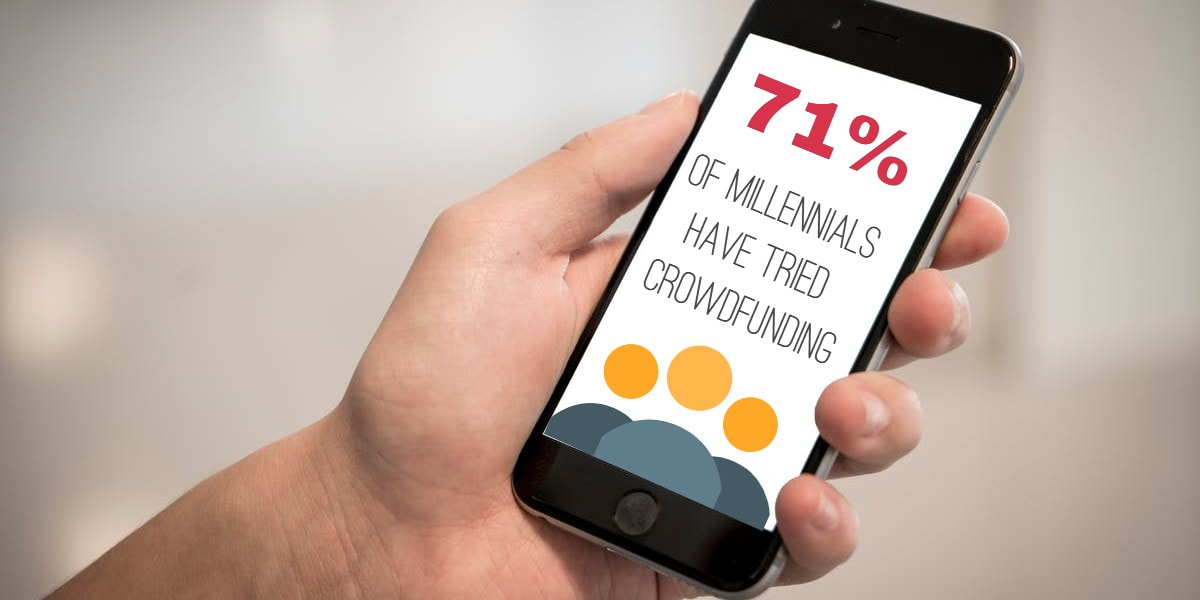
  • Crowdfunding is hugely popular with millennials. As the most connected and tech savvy generation yet, millennials are more likely than other donor groups to engage with online fundraising. According to Fundly, one of the most popular crowdfunding sites, 71% of millennials have participated in a crowdfunding campaign for a nonprofit organization. If attracting next-gen donors is important to your organization, crowdfunding is a great option.
Picture
Why Your Nonprofit Should NOT Try a Crowdfunding Campaign:
  • Your staff and board are already stretched too thin. Crowdfunding requires that your board and staff dedicate the necessary time to preparing and launching the campaign. As mentioned before, crowdfunding appeals are very time consuming when done properly. I repeat: crowdfunding appeals are VERY TIME CONSUMING. Those nonprofit organizations with the most successful crowdfunding campaigns spend weeks, if not months, preparing a launch plan for their campaign. Additionally, these nonprofits continue to update their social media pages daily with new and varied content after the campaign launch. So if you don’t have the time to dedicate to running a crowdfunding campaign on a daily basis, I suggest skipping it.
​​
  • You think crowdfunding is a low cost method of fundraising. Crowdfunding websites are not free and depending on how much time and effort you put into your launch, they can end up being a very expensive method of fundraising. Although setup is free, crowdfunding sites charge fees for the privilege of collecting donations through their site. In most cases this amounts to an 8% cut of all the money raised during your campaign.  For example, if someone donates $100 through a crowdfunding site, you only end up with $92. Based upon the time and effort that your organization put into this campaign, losing $8 off the top is a hard pill to swallow. In the long run, you would have been better off pushing donors to your website where you could retain 100% of the dollars donated. If you aren’t interested in splitting up your donated funds, crowdfunding is not for your organization. ​​

Picture
  • Your organization is looking for FAST MONEY. Did you know that it takes most crowdfunding platforms over a month to cut your organization a check for what you have raised? Yep! That’s right: an entire month. So while you see the dollars growing towards the stated goal on your crowdfunding page, your organization won’t have immediate access to those funds. If you need to use the dollars quickly, take a pass on crowdfunding.
​​
  • You just know your campaign will go “viral.” If I had a dollar for every time one of my nonprofit clients told me their video was so good it would go viral, I could stop working forever. Take a moment and log on to any crowdfunding site. Take a peek at which campaigns are doing well and what sections the top fundraisers are in. You’ll notice that the nonprofit section is third, sometimes fourth, at best. The top sections on crowdfunding sites are consistently medical emergencies and memorial funds. And by the way, there are thousands of fundraisers going on at any one time. Competition on these sites is fierce. Your nonprofit organization will be going up against people with immediate, attention-grabbing needs: kids with cancer, people injured in horrific accidents, survivors of mass shootings. So while your nonprofit’s need for more vaccines for sick puppies might sound great in the boardroom, the reality is that when competing for donor eyeballs and wallets, this need is likely to lose out over the stories of individuals who have suffered immensely. ​

Picture
  • You’ll gain lots of new die-hard donors. People who donate through crowdfunding campaigns are NOT new LONG-TERM donors. I haven’t found any research to support this, but based on my extensive experience, most people that donate to your crowdfunding campaign are not likely to become repeat donors. Crowdfunding is based on the peer-to-peer fundraising method, which means that the majority of new donors are compelled to donate by their direct/personal connection to an individual who has already donated to your organization and is making the call/ask for donations online. Once that direct/personal connection is gone, it is highly unlikely that any amount of direct mail, emails, or other type of donor cultivation will connect them to your organization. ​
​​
  • Crowdfunding is not a one way street. The minute you start asking people online to donate to your nonprofit crowdfunding campaign, be prepared to have the asks start rolling in for you. The peer-to-peer model of crowdfunding is a two-way street. It is assumed that if you donated to my cause, I will donate to yours. Think twice about this method of fundraising. Will your board members and volunteers be making more donations than they are bringing in? Would it have been easier to reach your fundraising goals by having all involved increase their own donations by a small amount?

Crowdfunding may seem like a great idea on the surface, and in certain situations it can definitely help people achieve their fundraising goals. However, running a successful crowdfunding campaign takes a lot of work, both from the organization and from their social media followers. This type of fundraising is a full-time job. Your campaign needs to be tended to each and every day if it is going to thrive. For many nonprofits, this is simply not going to happen. They are often operating with a very limited staff who, quite frankly, need to be spending their time on other things. If your organization does have the manpower and social media reach to launch a successful crowdfunding campaign, then by all means go for it! For the majority of nonprofits, there are other more worthwhile methods of fundraising that may prove more effective.

For more than ten years, fundraising expert Abra Annes has been a leader in the nonprofit world, consulting with top nonprofit organizations and, speaking at national and local conferences. As one of the top charity auctioneers, Abra has conducted hundreds of charity auctions – raising millions of dollars for a variety of nonprofits, schools, and charity organizations every year.

Abra is a member of the National Auctioneers Association and is one of 28 people in California to have their Benefit Auction Specialist designation. A gifted public speaker, she regularly conducts workshops on fundraising auctions, and is a sought-after speaker at fundraising events both locally and nationally as well as an active participant in the Association of Fundraising Professionals.
0 Comments

Cocktail Style Fundraising Event | Stand Up Live Auction

3/6/2018

0 Comments

 
Stand Up fundraising and charity events are all the rage right now. They’re like cocktail parties, but with a live auction and a Fund-A-Need auction! Sounds fun, right? I get a lot of calls asking about these type of nonprofit fundraising events. Why are Stand Up charity auctions so hot right now? As a charity auctioneer, I will share the pros and cons of choosing a Stand Up fundraising event as your next charity fundraiser?
Do you have experience running a Stand Up event? I’d love to hear about what went well and what didn’t!
Generosity Auctions is the leading Charity Auctioneer and Nonprofit Consulting firm in the San Francisco Bay Area. Generosity Auctions is the premier choice for Non-Profit Organizations looking to maximize their event fundraising through Charity Auctions and Fund-A-Need. Together with their clients, Generosity Auctions has raised over $80,000,000!!!
0 Comments

Silent Auction Ideas: A Deep Dive into an Online Auction

2/27/2018

0 Comments

 
Today’s video is a short look at the Classic Wines Auction, an auction using online bidding through greatergiving.com. For anyone looking ahead to the planning of their next charity auction, Greater Giving is a great way to allow donors to bid on items even though they cannot be present at the event. Including eye-catching images and evocative descriptions of each auction item is vital to the success of online auctions, this video touches on how to put your best virtual foot forward when planning the next nonprofit charity online auction or raffle.
Generosity Auctions is the leading Charity Auctioneer and Nonprofit Consulting firm in the San Francisco Bay Area. Generosity Auctions is the premier choice for Non-Profit Organizations looking to maximize their event fundraising through Charity Auctions and Fund-A-Need. Together with their client's Generosity Auctions has raised over $80,000,000!!!
0 Comments

The Best Ways to Follow-Up After Nonprofit Events and Campaigns

2/22/2018

0 Comments

 
Picture
In the week after any major fundraising event, like your annual gala or fundraising charity auction, many people associated with the event feel a sense of paralysis. The Development Director and event planners may feel as though they have spent a lot of time and energy to meet their fundraising goal, and at the moment, there is no other goal in sight. Here are some small goals you can set to help keep that momentum and make sure you stay on track to meet your next fundraising goals.

Shortly after the event, call everyone who came to the event, regardless of whether or not they made a donation. Thank them personally for the time they took to come to your event and for their contribution, if they made one. Use this opportunity to start a conversation. Ask them why they chose to attend your event, what interests them about your organization, and offer to give them a tour of your facilities.

Send a video Thank You message. Videos are powerful and engaging tools. Plus, with most smartphones they are cheap and easy to make. Have your clients, staff, or board members say “Thank You” in a video and embed it in an email. Emails with videos get a much higher open rate than text emails. Taking the time to put together a creative Thank You video creates a memorable moment for your event attendees, and the more personalized you can make the video, the better. According to statistics available from Hubspot, people are more likely to watch a video all the way to the end if it has been personalized in some way. One easy way to create these personalized videos is by using Thank View - a customized video email company. They are a simple and reasonably priced tool for creating personalized messages as a way to thank donors.

In addition to sending personalized thank you messages, consider using a survey tool like Survey Monkey to ask for feedback from all guests. People will be more willing to give their opinion if you attach an incentive. Consider including a $10 gift card to a local coffee shop or iTunes. Ask simple yes/no questions about topics like the food and entertainment to make sure your next event reflects the wants and needs of your guests. Keep your survey short, less than ten questions, to increase the chance that people will actually complete it.

Take the time to debrief the event with your Board of Directors. Set up a meeting and have an honest conversation about what worked well and what didn’t. Talk about which elements of the event you would keep, which elements you would change, and how you would change them. At this board meeting, you should also lock in the date for the event, venue, and fundraising auctioneer for the upcoming year.

​
0 Comments

Cheap and Easy to Get Vacation Packages for Live Auctions, Silent Auctions, and Raffles

2/19/2018

0 Comments

 
Are you on the lookout for great vacation packages to offer in an upcoming live auction, silent auction, or raffle? Feast your eyes on HotGiveAway.com! They specialize in great hotel packages at deeply discounted rates. We’re talking dirt cheap here people! There’s no better way to provide donors with a stellar vacation experience while maximizing donations to your nonprofit organization. Be sure to watch to the end of the video to get the full scoop on this service and how it can benefit your next nonprofit charity event.
Check out what Bloomberg News wrote about us: https://www.bloomberg.com/news/articl...

Charity Auctioneer | Benefit Auctioneer Abra Annes of Generosity Auctions is the top Charity Auctioneer in San Francisco | Sonoma | Napa exclusively focused on Charity Auctions | Fundraising Auctions | Benefit Auctions for NonProfit Organizations. In her videos Abra shares her knowledge so that you can learn her tips, ideas and tricks for nonprofit fundraising.

​Generosity Auctions is the leading Charity Auctioneer and Nonprofit Consulting firm in the San Francisco Bay Area. Generosity Auctions is the premier choice for Non-Profit Organizations looking to maximize their event fundraising through Charity Auctions and Fund-A-Need. Together with their client's Generosity Auctions has raised over $80,000,000!!!
0 Comments

Celebrities + Nonprofits = $$$                                                           How Omaze and Prizeo Increase Donations for Your Nonprofit

2/13/2018

0 Comments

 
Picture
In today’s increasingly online world it is imperative that nonprofit organizations work to utilize the internet in their fundraising endeavors. Online raffles are a great way for nonprofit organizations to maximize their fundraising dollars. Websites like Omaze and Prizeo make it easy for anyone to host a raffle for once-in-a-lifetime experiences. One of the biggest benefits of hosting a raffle online, rather than in-person, is that it allows the nonprofit to interact with a wider audience, expanding their reach beyond the immediate community. This reach can be expanded even further if the nonprofit has access to celebrities or social media influencers. Websites like Omaze and Prizeo allow nonprofit organizations to offer experiences to anyone on the internet who is a fan or follower of the celebrity or influencer.

Here’s how Omaze and Prizeo work. The nonprofit sets up a raffle, listing the experience that they want to raffle off on the website. Perhaps they are auctioning off two tickets to the Los Angeles opening night of Hamilton as a guest of Lin-Manuel Miranda, or lunch with Kristen Bell. Site visitors pay for as many raffle entries as they like for a chance to win the experience. This type of raffle benefits the nonprofit organization because it generates exposure to a brand new network of people. The brand new network of donors is brought to your raffle when the social media influencer or celebrity tells their followers to donate to win the once-in-a-lifetime experience. At the end of the raffle one lucky winner is chosen at random from the pool of donors.
Picture
Picture
Omaze and Prizeo are fantastic platforms to use if a nonprofit organization is looking to attract millennial donors. The donation amounts are more manageable for millennials who generally have less buying power than older donors. Millennials are also interested in spending what dollars they do have on experiences rather than things, and they love the idea of getting a little something in return for their donation. So donating to a great cause and getting a little something in return is a win-win.

All nonprofit organizations with access to a celebrity or social media influencer with over 20,000 followers should consider adding online raffles to their repertoire. People who have a global following are more likely to be listed on the site. Collaborating with them can help nonprofits raise the maximum amount of money and increase their following, potentially increasing donations in the future.   

For more Fundraising Charity Auction ideas and helpful tips on planning your next charity fundraiser, follow Generosity Auctions on Facebook or Instagram @GenerosityAuctions. Abra Annes is the top Female Charity Auctioneer based in California. Abra is the owner and founder of Generosity Auctions, the premier choice for Nonprofit Organizations looking to maximize their event fundraising.
0 Comments

Stop Serving Dessert & Raise more money

2/1/2018

0 Comments

 
Did you know that serving dessert could be costing your nonprofit donations?
This quick and easy fundraising video will show you why stopping serving dessert will raise your nonprofit more money. For any organization holding a fundraising event - this video is for you.
​
0 Comments

5 Easy Fundraising Ideas for your Nonprofit Event

7/24/2017

0 Comments

 
Picture
Number 5 - Raffle
Raffles are a fun and easy way to increase the fundraising at your next charity fundraising event. Entice your donors to participate with a multi-tiered ticket pricing. Consider selling one ticket for $25, three for $50  and 10 tickets for $100. Everyone loves a good deals, so entice your donors with a deal they can’t refuse. This will incentivize your donors to purchase the higher dollar amount in order to increase their chances of winning.

Number 4 - Silent Auction
Hosting a silent auction is a tried and true way to raise money. This is an easy and familiar way to raise money that works well if you have compelling silent auction items. Freshen up your Silent Auction with Mobile Bidding or phenomenal Buy-In Parties.  

Number 3 - Sponsorships
Sponsorships are a unique and fun way to offset the cost of your fundraiser. The hot trend for 2017 and into 2018 will be specific event item sponsorships. Instead of having platinum, gold, and silver sponsorship levels, ask a company/person to sponsor the centerpieces, bar, or dessert, entertainment, even your charity auctioneer. The sponsorships can be branded to increase visibility for companies and individuals.

Number 2 - Live Auction
Live auctions consistently bring in a high return on your investment. Live auctions don’t require a ton of work. Really, all you need are 5 - 8 phenomenal items that will sell at a high dollar amount to reach your fundraising goals. Make sure that all your items are donated so that you can maximize your bottom line. Once you have your Live Auction line-up, promote, promote, promote so that your guests known what is coming up for auction the night of your event.

Number 1 - Fund-A-Need
A fund-a-need has a lot of names. It be called a special appeal, cash call, fund-a-need auction,  call to action, paddle raise, etc. Whatever you call it, a fund-a-need is a great opportunity to encourage participation from everyone who attends and everyone has an opportunity to donate at multiple levels. It is hands down the best way to fundraise at an event.

For more Fundraising Charity Auction ideas and helpful tips on planning your next charity fundraiser, follow Generosity Auctions on Facebook or Instagram @GenerosityAuctions. Abra Annes is the leading Charity Auctioneer based in California. Abra is the owner and founder of Generosity Auctions, the premier choice for Non-Profit Organizations looking to maximize their event fundraising.
0 Comments
Forward>>

    Archives

    August 2023
    March 2020
    February 2020
    January 2020
    December 2019
    November 2019
    October 2019
    September 2019
    August 2019
    July 2019
    June 2019
    May 2019
    May 2018
    April 2018
    March 2018
    February 2018
    January 2018
    July 2017
    June 2017
    May 2017
    April 2017
    March 2017
    February 2017
    January 2017
    December 2016
    November 2016
    October 2016
    September 2016
    August 2016
    July 2016
    June 2016
    May 2016
    April 2016

    Categories

    All
    Boards And Committees
    Client Testimonials
    Corporate Sponsorship
    Donor Outreach And Appreciation
    Fund A Need Auctions
    Fund-A-Need Auctions
    Fundraising Ideas
    Fundraising Personal Blog
    Fundraising - Personal Blog
    In My Opinion
    Inside My Business
    Live Auctions
    Nonprofit Strategy
    Online Auctions
    Q&A With A Charity Auctioneer
    Raffles
    School Auctions
    Silent Auctions
    Volunteers

    RSS Feed