Female Fundraising Charity Auctioneers
  • HOME
  • Services
  • Videos
  • ABOUT
    • Press
  • Testimonials
  • RESOURCES
  • Freebies
  • Contact
  • New Page

How to give Live Auction Packages donated within minutes

3/16/2020

0 Comments

 
Picture
Many nonprofits don’t have the time, donor base, or, frankly, energy to procure enough auction items for their event. When this happens, there’s something you can do with your auctioneer at the beginning of the event to try and source a few emergency items.

While setting up your event, leave a handful of index cards and a pen or two at each table so that people can keep their response private. The last thing we want is someone shouting out an item they’d like to donate and no one in the room looking interested. Then at the start of the evening, your auctioneer takes to the stage and makes an energetic ask for auction items.

I usually say something along the lines of, “If you have an item that you are interested in donating to the auction, right here right now, write it down on one of the cards on your table and someone will be by to pick it up.”

When we ask this question at an event, we already know there’s someone in the room with an amazing item they considered donating but for whatever reason the ask was never made.

I have gotten some amazing items this way.

At a recent event I got back six cards, three of which had spectacular items written on them. We quietly went back to these donors and asked them for more information about the items as the evening continued. 

Once you start getting a few items, it’s not uncommon for more to slowly roll in. You end up with both new, fresh items to sell this year, and a lead on some great items for the next year. 

It gives you an easy out to not sell all the items that night because you ran out of time. It also gives you information on who in your audience is willing to donate items and what type of items they have. This information is invaluable when it comes to sourcing items for the following year. It builds upon itself making your auction procurement time shorter and more efficient.

Has your nonprofit used this technique at your charity auction? Let me know how it worked for you down in the comments.
0 Comments

All about Buy-a-Spots | Count me In | Parties

3/9/2020

0 Comments

 
Picture
There are two ways to raise money during a live auction: Sell one item once to one person for a large amount of money, or sell spots for one item to multiple people at a lower price point. 

Enter the Buy-A-Spot also known as Count Me In or Buy In Parties.. 

The Buy-A-Spot (also called Count-Me-In) approach often raises at least the same amount of money that it would have if the item were sold to one person.

We all know that the holy trinity of auction items are dinners, trips, and experiences. So for this example, let’s pretend that we have a chef-prepared dinner for sixteen people up for auction at our event. Sure, we can sell that entire experience to one wealthy donor for $8,000, or we can sell spots at that dinner for $500 each and raise at least $8,000. With Buy-A-Spots you’re very likely going to raise the same amount of money, but there are more people in the room with the capacity to give $500 than there are with the capacity to give $8,000.

Buy-A-Spots have traditionally been used for silent auction items, but they are becoming more and more popular during live auctions. And for good reason! By including Buy-A-Spot items in your live auction, you immediately start appealing to donors with a lower giving capacity, which means more of your room can participate in the event.

Here’s a few tips for using Buy-A-Spots in a live auction: 

  1. Buy-A-Spot works best for auction lots where the more the merrier is the attitude. It works great for dinners, parties, camping, etc. Anytime you can sell a spot at a table, you can do a Buy-A-Spot.
  2. Pick a date for the Buy-A-Spot event before the auction so you can put it in your program. People need to know what date the event will be on so that they can plan ahead. If you have an item that you think is going to sell like gangbusters, pick a second backup date for after the first one fills up.
  3. Buy-A-Spots are performed by the charity auctioneer during the live auction, but the bidding on these items works a lot more like a Fund-A-Need. Your auctioneer will ask for everyone who wants a spot to put their paddles in the air. This eliminates the competition element present during bidding for a traditional live auction lot and turns it into a communal moment, introducing the pressure that is more often seen during a Fund-A-Need.     

If your nonprofit decides to give Buy-A-Spots a go at your next live auction, drop me a line and let me know how it goes!
0 Comments

Do You Have Donors or Experience Buyers at Your Event?

3/2/2020

0 Comments

 
Picture
Nonprofits like to use celebrities, musicians, and special guests as a lure to get people to come to the event and support the nonprofit. I am lucky enough to work with celebrities, musicians, and thought leaders fairly regularly in my work as a charity auctioneer, and I’ve seen these events be both exceptional successes and impressive disasters. 

The problem with having big names at your event is that if your attendees are coming to the event for any reason other than supporting your nonprofit through a donation, they are not coming to support your organization. 

You have experience buyers, not donors.

Experience buyers are those who attend a fundraising event with the goal of meeting the big name guest in attendance. They want to interact with this person; they want the Instagrammable moment, and they’ll pay any price for the privilege.

I get calls from organizations that have these experience-based events all the time. They tell me that their events are super successful, they sell tickets like crazy, but they aren’t raising any money with their live auctions, silent auctions, and Fund-A-Needs. 

This is because they don’t have donors, they have experience buyers.

Unfortunately, this isn’t something that I can fix (which is something I’m very honest about). The attendees at these events don’t really care about the nonprofit the event supports. They only care about the experience they are buying themselves. 

Nonprofits who find themselves in this position have a few options to increase their fundraising at these experience-based events:
  1. Sell more tickets 
  2. Raise ticket prices
  3. Include an upsell

Selling more tickets is fairly self-explanatory. If you sell more tickets, you will raise more money through ticket sales. Raising ticket prices can work, assuming that the attendees won’t balk at a price increase. Including an additional upsell—such as charging extra for one-on-one time or a photo with a celebrity—can also work, and depending on your guest list it can work quite well.

The trouble with experience-based events is that is really difficult to turn the attendees into real donors. They become used to receiving a one-of-kind experience in return for their ticket purchase and they begin to expect that. It’s a hard habit to break. Usually, these events are put on by a third party raising money for a nonprofit. They don’t have a donor list to pull from, so they rely on selling tickets and turning people into donors once they arrive at the event. But that doesn’t work. Donor outreach and cultivation takes a lot of time. There’s a reason that so many nonprofit employees make it their focus. The relationship between the nonprofit and the donor takes time to build. 

Even if the nonprofit invites people to attend these events based on a donor list, it’s still very hard to break out of this cycle because the donors have now been trained to expect an amazing experience with no real pressure to donate. If you are really looking to turn experience buyers into donors, it can’t be done at a special event. It has to be done during one-on-one meetings, but I expect this won’t be worth the time investment for most nonprofits.

In the end, experience-based events are fine. You’ll make some money and your event will be well-known in the area. But, you won’t build your donor rolls and you won’t cultivate long-term relationships with people who want to support your cause. Depending on your goal for the event, that may or may not be a bad thing.
0 Comments

Fund-A-Need in Ten Minutes or Less

1/10/2020

0 Comments

 
Picture
It’s not uncommon for clients to ask me how they can speed up their Fund-A-Need.

I always recommend that nonprofits do a full Fund-A-Need at their event. It’s the absolute best way to raise the most money in the least amount of time. However, a full Fund-A-Need can take some time. More time than some nonprofits want to allocate to it. 

A full Fund-A-Need with between six and eight giving levels, in a full room of motivated donors can take up to 25 minutes to complete. But, that 25 minutes can potentially generate up to $500k (depending on the size of the room, giving capacity of the donors, nonprofit engagement, etc). 

It really is worth your time.

What happens though, if your nonprofit has already front-loaded your fundraising? If you’ve already approached your major donors individually and they’ve made large donations or are sponsoring the event in some capacity?

In cases like this, while I still recommend a full Fund-A-Need, you can make the choice to take a faster approach.

Let’s talk about how you can do a Fund-A-Need in ten minutes or less?

Giving Technology 
Technology is hands-down the fastest way to run a Fund-A-Need. You can be done with the entire Fund-A-Need in three minutes.

The main downside to this approach is that when people pull out their phone or tablet at an event, there’s really no way to know what they are doing. Sure, they say they’re making a donation, but how do you know they aren’t checking their email or texting their friends? 

Bidding technology also undercuts the communal nature of the Fund-A-Need. What’s designed as a communal moment of giving to a shared cause becomes a moment of solitary screen time. 

You also won’t get big gifts in a text-to-give situation. People give money to people, not to screens. I’ve written before about the invisible ingredients of a Fund-A-Need, having a charity auctioneer who knows how to manipulate those ingredients will always make your nonprofit more money.

A Three-Level Fund-A-Need 

Restrict your Fund-A-Need to just three giving levels. Set your levels at $1,000, $500, and $5, or something similar. 

This approach has the benefit of momentum, energy, and participation. You’ll get a ton of participation because the giving levels during this type of Fund-A-Need tend to be lower, but you won’t make as much money. However, if all your major donors have already made a donation, then it really doesn’t matter. 

This approach takes about ten minutes, but I don’t recommend it unless all your major donors have already donated at a high level.

A Paddle Pick Up 
This is another modified Fund-A-Need that is super speedy. Set five giving levels for a larger range of giving opportunities. You’ll need volunteers to go around the room with boxes, clearly labelled with each giving level. 

Your auctioneer announces a giving level and then pauses so that everyone who wants to give at that level can put their paddle in the air. The room cheers and says thank you, then those people drop their paddles into the corresponding bin. 

What I love about this approach is that it’s very fast, but it does kill the energy and participation levels. No one really feels appreciated. There’s also not as much pressure to give because things are moving so fast. 

This Fund-A-Need can be done in about eight minutes.

Centerpiece Fund-A-Need
This is a Fund-A-Need that I created for a client of mine who had a very specific request. They wanted to do a Fund-A-Need that would feel equal for every donor at every level. I call this method the Centerpiece Fund-A-Need. 

For this one, get a large bucket or container that you can fill with dirt, sand, gravel, glass pebbles, etc. Then collect a bunch of small dowels or sticks and top them with an image that connects to your nonprofit. On this image there should be space for your donors to write their names and donation amounts. 

When you do the Fund-A-Need you only make one ask. You ask everyone to write their donation on their mini-paddle and come up and plant their paddle in the container. 

The great thing about this approach is that you can do it at any point in the evening. You can even ask multiple times. The display of mini-paddles gives the room a visual manifestation of their giving. There are no set levels with this approach which also opens it up to everyone, no matter their giving capacity. It’s very low pressure and allows everyone to feel good about participating.

A faster Fund-A-Need is possible, but your nonprofit will have to make a trade off. You’ll very likely raise less money than you would with a full Fund-A-Need. If you are looking to save time on your next Fund-A-Need, consider approaching all of your major donors ahead of the event and securing their donations ahead of time to mitigate the drop in Fund-A-Need donations.   
0 Comments

Online Raffles: Prizeo and Omaze

1/3/2020

0 Comments

 
Picture
A client recently asked me:

We have a lot of people in our community who cannot afford to come to our event, but would like an opportunity to participate from home for a very low price point. What can we do?

I told them about Prizeo and Omaze. Two very similar services that allow you to run an online raffle for a very reasonable price.

Here’s how it works.

Your nonprofit works with the site to set up a raffle for an amazing prize. Your supporters, and people from all over the world, donate as little as $10 for a chance to win the prize. 

It’s that easy.

This is a great option for nonprofits who have a lot of donors who cannot attend their annual events. It’s also an amazing opportunity to reach philanthropic-minded people around the world who may not hear about your nonprofit any other way.

Next time you’re looking for a way to engage supporters who can’t attend your event, check out Prizeo and Omaze.
0 Comments

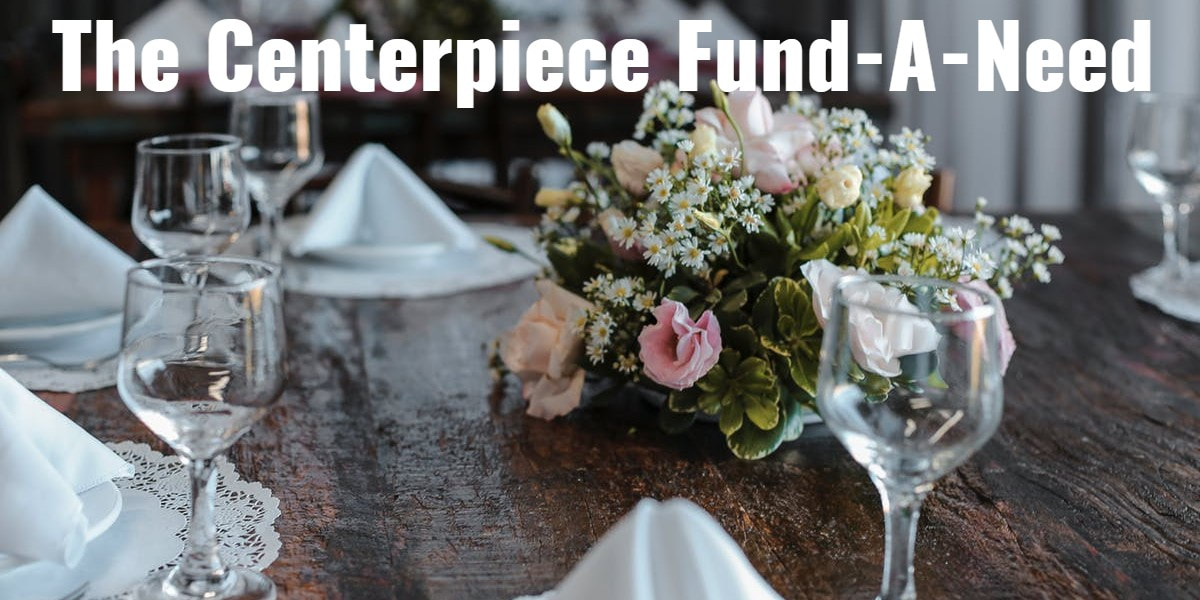
The Centerpiece Fund-A-Need

12/23/2019

0 Comments

 
Picture
The primary challenge that many nonprofits face is creating an inviting culture of philanthropy. Major donors sometimes feel everyone should be able give $100 at a fundraising event. Other donors may feel that the ticket price is their donation, and they may not have the ability to participate in any fundraising activities on top of that. 

Recently, I had a client ask if I could create a giving experience that was the same for all their donors, regardless of how much they could afford to give. The goal was to reduce the pressure typically associated with a Fund-A-Need and standardize the giving experience. I put together a unique approach to the Fund-A-Need that I am so excited to share with you. 

I call it the Centerpiece Fund-A-Need.

Here’s how it works:
  1. Come up with an image that represents your nonprofit, leave space on that image for your donors to write their name and their Fund-A-Need gift amount. Get creative. The sky’s the limit when it comes to theming.
  2. Create mini bid paddles by affixing the image to the top of a small dowel or stick.
  3. Collect buckets or other containers that you can theme to your event. Fill them with sand, gravel, dirt, or glass pebbles and place it in a prominent place in the event space. The idea is that the mini paddles stay upright when placed in the container. 
  4. Communicate with your major donors before the event and explain this new approach, so that they are prepared to give during the Fund-A-Need.
  5. Make the ask at your event. Ask your attendees to plant a seed for change by opening their wallets and giving any amount they can. Invite them to write their generous gift on their mini bid paddle and stick their paddle into the container.

This approach provides a moving, visual illustration of the impact your donors have on your nonprofit and the community. Looking around the room, your donors will see all the paddles standing up in the containers and they’ll understand how impactful their donations really are. It’s a wonderful activity that the entire room can engage in at one time, keeping the communal nature of the Fund-A-Need alive.

Having no set giving levels allows for donors to feel welcome to give any amount they can. The experience becomes purely about the donor’s connection to the nonprofit and what they feel comfortable giving.

Your auctioneer is free to make the ask multiple times during the evening without it feeling stilted. You can use the ask as a transition if you are moving your donors from one room to another. You can use it as a transition between other pieces of your event. You can end with a final ask inviting anyone who hasn’t already given to do so, and providing extra mini bid paddles for those who are moved to give a second time. 

I particularly like this approach when it comes to private schools, which have some of the largest wealth gaps of any of the organizations I work with. Some parents pay full tuition for their children and some children attend on full scholarships, so there’s a wide range of giving capacities. When the school throws it’s annual gala, who is supposed to come? Only the wealthy parents? Or, do you encourage everyone to come and have a good time regardless of what they can give? 

I think you know where I’m going with this.

Event fundraising, especially auctions and Fund-A-Needs, can feel very elitist. Sometimes, at large Fund-A-Needs with high giving levels, those who can’t give very much are uncomfortable when a major donor gives $50,000. They may feel that their $50 donation is pointless next to someone who can part with such a large sum. This approach removes the potential for elitism and creates the exact same experience for all donors, while presenting them with a visual representation of the impact of their giving.

Looking to have a Fund-A-Need at your next event? Give the Centerpiece Fund-A-Need a try and let me know how it goes.
0 Comments

50 Crowd-Pleasing Nonprofit Fundraising Ideas

12/20/2019

0 Comments

 
Picture
Creating a fundraising event every year, while keeping things new and fresh, can be daunting. Lucky for you, I’ve got a list of fifty amazing fundraising ideas that you can try next time you need a fun, new way to raise money.

100-Point Wine Dinner
Host a multi-course dinner prepared by an amazing local chef and paired with outstanding, locally-sourced wines. Sell seats to this dinner for a set price. 

50/50 Raffle
Sell raffle tickets at your next live event for a chance to win 50% of the raffle proceeds. Combine this with a traditional raffle for extra incentive. Check with your local and state laws regarding raffle rules and regulations.

Amazon Smile
Shopping through Amazon Smile can earn your nonprofit money. Spread the word to your supporters and encourage them to set your organization as their Amazon Smile recipient.

Baking Competition
Host a friendly baking competition. Challenge participants to bake the best chocolate chip cookies, cupcakes, brownies, etc. Bring in local bakers to judge the bakes. Charge a sign-up fee for the bakers and an admission fee for the audience.

Battle of the Bands
Have a particularly musical community? Host a battle of the bands at a local venue. Charge a sign-up fee and get the audience involved by having them vote for their favorite group. Ask for donations at the event or charge at the door. 

Bingo Night
Host a bingo night for the community. Charge for bingo cards. This is a great all-ages event, or you can theme the night and make it more adult-friendly. You can either give away prizes to the winners or give them a cash prize based on the amount of money brought in by the game. Remember to check your local and state laws regarding raffle rules and regulations.

Book Fair
Host a book fair benefiting your organization. Source books from local booksellers and major retailers. Ask people in the community to donate their gently used books. Great for schools and nonprofits focused on literacy and education.

Boon Supply
This fundraiser is completely FREE. Simply sign up with Boon Supply, then spread the word of your fundraiser over social media. People can browse Boon Supply and make purchases for the duration of the fundraiser. 40% of all purchases goes straight to your nonprofit or school. 

Bowling Tournament
Work with a local bowling alley to host an amateur tournament benefiting your nonprofit. Charge a sign-up fee and request a portion of the evening’s proceeds as a donation.

Box Tops for Education
A true classic and a great way to raise a little extra money for schools in your area. Each box top turned in to the school is worth 10 cents. Ask your students, parents, and community to clip box tops for you. 

Car Wash
Hold a car wash in your parking lot. Charge a set amount per car. Use volunteers as your car washers.

Chili Cook Off
A specific take on a cooking competition. Gather participants to compete to see who makes the best chili in town. Charge a sign-up fee and bring in local chefs to judge the dishes. Set up a donation table at the event for extra revenue.

Cooking Competition
Host a friendly cooking competition at a local venue. Give each person or team a basket with ingredients and challenge them to prepare a dish from the contents of the basket. Bring in local chefs to judge the dishes. Charge a sign-up fee and an admission fee for the audience.

Community Clean Up
Get members of your community together to clean up public parks, waterways, or other spaces. Provide shirts for everyone to wear. Ask members of the community to donate based on area cleaned or amount of trashed picked up. Great for nonprofits focused on conservation and public spaces.
 
Dance Marathon
A classic with a historical origin. Host a dance marathon with teams of participants competing to see who can stay moving the longest. Have your teams collect pledges from people in the community for every hour they dance. Establish rules for how long they must dance each hour. Charge a small sign-up fee per team and sell concessions at the event. 

Dance Off
Dance offs are great for communities with performers. Host a dance off at your nonprofit or a local dance studio. Charge an admission fee and sell concessions at the event. Get the audience involved by asking them to vote for their favorite performer.

Easter Egg Hunt
Host an easter egg hunt for kids in the community. Ask volunteers to help you fill and hide the eggs. Charge a small sign-up fee per child and set up a donation table at the event. Maybe the Easter Bunny will make an appearance.

Fashion Show
Hold a fashion show at your nonprofit or another venue. Ask local boutiques to provide clothing items or make it a do-it-yourself affair if you have a particularly crafty crowd. Charge an admission fee for the event. You could even auction off the clothing items after the show.

Fund-A-Need
Make a Fund-A-Need part of your next fundraising event. It’s like an auction, but without the items. Hire a charity auctioneer to help run the event. Encourage everyone to make a gift at the giving level comfortable for them. Thank your donors for their generosity and support of your cause.

Game Night
Host a game night at your nonprofit. Ask a local game shop, if you have one, to supply board games for the evening. Charge an admission fee and sell concessions at the event.

Girls’ Night Out
Work with a local venue to arrange a girls’ night out for your female supporters. Think fashion, great food, entertainment, whatever is local to you. Charge a sign-up fee and work with any venues to receive a portion of the proceeds as a donation. When bundled with other items, tickets to these events make a great addition to your silent auction. 
 
Golf Tournament
Have a local golf course? Work them them to host an amatuer golf tournament benefiting your nonprofit. Charge a sign-up fee and set up a donation table at the event.

Guys’ Night Out
Work with a local venue to arrange a guys’ night out for your male supporters. Think sports bars, golf, car shows, whatever is local to you. Arrange for food and drinks to be catered or for the night to take the guys through a bar or local restaurant. Charge a sign-up fee and work with any venues to receive a portion of the proceeds as a donation. When bundled with other items, tickets to these events make a great addition to your silent auction.

Karaoke Contest
Ask a local karaoke bar to host an event for your nonprofit, or rent equipment and have the contest at another venue. Charge a small fee for each song and allow the audience to request specific songs for an extra donation. Sell concessions at the event, or ask for a portion of the food and drink sales to go to your nonprofit.

Kids Camp
Host a kids camp for a day or a week in the summer. Provide educational and outdoor activities. Charge parents a registration fee appropriate for the length of the event. Parents will be delighted their children have somewhere to go for a few days. Perfect for schools and nonprofits focused on children.

Live Auction
Make a live auction part of your next fundraising event. Hire a charity auctioneer to run the auction. Source amazing auction items, trips, and experiences. Invite all the right people to attend.

Movie Night
Host a movie night at your nonprofit or other local venue. Charge a small admission fee and serve concessions at the event. This event works well for kids and for the cinephile crowd, just make sure to choose your movie appropriately.

Murder Mystery Dinner
Great for donors looking for a more adult experience. Work with a murder mystery theater group to put on an event benefiting your nonprofit. Encourage everyone to participate and really get into the story. Serve a great meal made by a local chef.

Museum Night
Have a local museum who hosts events outside of regular operating hours? Talk to them about hosting an event for your nonprofit. Attendees get to view the artwork/interact with the exhibits in a more intimate setting and your nonprofit gets a cut of the admissions price. Set up a donations table for extra revenue.

Online Auction
Like a silent auction, but online! Use mobile bidding technology to setup your next auction entirely online. This allows people who can’t attend your event to participate in your auction. Combine this with a traditional silent auction to allow more people to participate.

Paint and Sip Party
Paint and sip parties are all the rage. If you have a local paint and sip business, see if they will host an event benefiting your nonprofit. Ask for a cut of the profits as a donation to your nonprofit. Great for nonprofits with millennial and creative donors.

Penny War
Two or more groups compete to raise money, collecting coins and dollar bills to score points. Each team collects their coins in containers placed in a common area. Encourage people to stop by and donate their spare change to the team of their choice. Increase competition by awarding positive points for all silver coins and negative points for pennies, or the other way around. Very popular with schools. 

Pet Party
Throw a party and invite everyone to bring their pet. Hold pet storytime, play games, and serve food for your guests and their pets. Charge a small admission fee per person and pet. Ask for additional donations at the event.

Pet Wash
It’s a car wash for your pets! Set up a pet wash in your parking lot and charge a small fee for each animal washed. Perfect for nonprofits focused on animals.

Photo Contest
Have some artsy people in your community? Host a photo contest and invite everyone to participate. You can ask for photos that fit a specific theme or no theme at all. Charge a fee for submissions and show the photos in a gallery at your nonprofit or another venue. Ask visitors to the gallery to vote on the best photo. You can even ask permission to sell the photos to benefit your nonprofit.

Pool Party
Perfect for summertime when everyone is itching to get outside. Coordinate with your local public pool to host a pool party benefiting your nonprofit. Charge a small admission fee, sell concessions, and set up a donation table at the event. Great for kids.

Progressive Dinner Party
Progressive dinner parties are wonderful for donors looking for a more refined experience. Participants agree to serve one course of a meal at their home and the group travels from home to home enjoying a fabulous meal and accompanying drinks.

Pub/Restaurant Crawl
Invite your supporters to take part in a pub or restaurant crawl. Talk to the venues about receiving a portion of the sales as a donation and charge a small fee to participate. Use the opportunity to visit a selection of locally-owned businesses. Ask if they will put out a donation jar on the night of the crawl for your nonprofit as an extra revenue stream.

Raffle
Host a raffle. Sell raffle tickets for a five dollars a piece and raffle off some amazing prizes at your next event. This works great in conjunction with any live event. Arrange the prizes on a table so people can see what they are buying tickets for.

Read-a-thon
We all wish we could read more books. Why not hold a read-a-thon over the summer months and encourage all ages and reading levels to participate. Charge a small sign-up fee and have participants gather pledges from their family, friends, and neighbors for every book they read. Perfect for libraries, schools, and nonprofits focused on education and literacy.

Scavenger Hunt
Put together a scavenger hunt in your community and invite people to attend over social media. This is a great way to get people out into the community, you can even align your clues and items with the mission of your nonprofit to further increase awareness. Charge a registration fee for each group and set up a donations table at the end point of the event.

Seasonal Carnival
Host a summer or fall carnival benefiting your organization. Set up games, bring in performers, and hire local restaurants to provide concessions. Charge a small admission fee and keep a portion of the proceeds from game tickets and concessions. Set up a donations table at the event.

Silent Auction
A fundraising classic. Silent auctions go great with any number of other fundraising activities. Source auction items from local businesses. Arrange the items and their bid sheets on tables and encourage the public to stop by or make the silent auction part of a larger fundraising event. Use mobile bidding technology to allow people to bid on items without being present at the auction.

Sing-a-thon
A staple in many church communities. Host a Sing-a-thon and charge a small admission fee. Consider selling concessions at the event for a second revenue stream. Encourage attendance by combining this event with a silent auction.

Talent Show
Have a lot of performers in your community? Host a talent show at your nonprofit or other local venue. Invite everyone in the community to participate by having the audience vote for the winner. Charge a small admission fee and sell concessions at the event. Perfect for school and nonprofits focused on the arts.
 
Themed Run/Walk
Host a themed walk/run and encourage everyone to dress up in costumes or matching shirts. Charge a sign-up fee and set up a donation table at the event. Perfect for nonprofits focused on public health.

Tie-Dye Party
Does your nonprofit sell shirts to benefit your cause? Why not host a tie-dye party where attendees can jazz up their shirts with some tie-dye. Provide scarves, wraps, and hats for additional donations.
 
Trivia Night
Host a trivia night at your nonprofit or local bar or restaurant. Topics can include anything from current events and politics to sports and pop culture. Align your questions with the mission of your nonprofit for extra thematic relevance. Charge a registration fee for teams and pass around a donation sheet at the event itself.

Walk-a-thon
A staple of elementary schools everywhere, walk-a-thons are a great way to get people of all ages up and moving. Charge a small sign-up fee and have participants collect pledges from family, friends, and neighbors for every half mile they walk.

Zoo Night
If you have a local zoo that hosts events, talk to them about sponsoring an event for your nonprofit. You can charge a percentage of the admission fees and set up a donation table inside the zoo. Consider combining this event with a zoo-themed silent or live auction for additional revenue streams. Perfect for nonprofits benefiting animals, children, or wildlife conservation.
0 Comments

Build Your Fundraising Event Around Emotions, Not Activities

12/6/2019

0 Comments

 
Picture
When a client hires me to work with them on an event, they want to talk about all the pieces of their event: the cocktail hour, the silent auction, the live auction, the Fund-A-Need, the speeches, dessert, etc. These activities are important, the order they happen in is important, and it’s easy to see why people get wrapped up in this part of the planning: It’s quantifiable. 

However, focusing on the activities that make up the event is not the most important thing. For any fundraising event to be successful, the focus must be on the emotions you want to create in the room.


The first thing I ask my clients after they go through their list of activities is, “How do you want your guests to feel at the event
and after they leave?”


Before long another list is coming at me, this time made up of words like: inspired, hopeful, excited, curious, enthusiastic, and engaged.


Great! These are all wonderful feelings to evoke at your event.

Then I ask the most important question, “How do we let these words be our guide to creating an event that fosters these feelings in your guests?”


The problem with focusing on activities and not emotions is that you end up with an event that feels cookie cutter. Rather than your event leaving a lasting impression on your guests, they end up feeling like they’ve attended the same event a hundred times over. That’s not what we want. 


A fundraising event is a party, sure. It is fun, but it also has to take people on an emotional rollercoaster ride so that when they exit the car they are ready to make a donation on the exit platform. 


I can’t tell you want emotions you want to evoke at your event, the answer is different for everyone. If you get stuck coming up with a list of emotions, here are some questions to answer:


  1. What emotions will make your guests feel inspired to give?
  2. Have you communicated these intended emotions with your speakers?
  3. How can you sustain these feelings throughout the entire evening?

The next time you plan a fundraising event, try coming at it through a lens of emotions and feelings, rather than auctions and speeches. This can mean making bold choices for your program. Maybe you get everyone’s attention at the beginning of the event by turning the lights completely off and starting with a bit of theater on stage. Think about how to use your event space and your program to foster the emotional atmosphere that leads to giving. Don’t be afraid to do things differently and think outside the box.
0 Comments

Should You Use a Fund-A-Need to Launch a Capital Campaign?

11/15/2019

0 Comments

 
Picture
When I sat down to write this article, I had just come out of a meeting with a long-term client. This was a development committee meeting with a new Development Director. I went into this meeting having never met her—let’s call her Sarah—before, but I had a great relationship with the previous DD, we shared a lot of the same ideas about fundraising. 

Sarah led the meeting, as she should in her capacity as Development Director. In attendance were some major donors who sit on both the board and the development committee. 


This nonprofit has two major sources of revenue: a raffle and a Fund-A-Need. Their Fund-A-Need started out generating around $250k when I began working with them and we’ve managed to increase that by about 10% each year. Their event is relatively small, maybe 200 people, and they have an amazing participation level. About 98% of their attendees make a gift at the event, including a number of major donors.


During the meeting, Sarah explained that they would like to use this year’s Fund-A-Need to launch
and complete a capital campaign.

If you are unfamiliar, capital campaigns focus on raising large amounts of money for a specific purpose: new buildings, major renovations, etc. During a capital campaign, you approach your major donors and ask for large donations specifically to fund these projects.

When Sarah introduced this idea, I was stunned. Their goal of raising $3 million with this capital campaign was way above our annual 10% increase and very difficult to meet with an event of this size. As we dug into this idea, it became clear that Sarah wanted to make a huge splash in her first year and this was how she chose to do it. Unfortunately, they hadn’t completely thought things through. 


However, they thought their plan was solid for a couple of really good reasons. They had a need that they felt was immediate and would have an impact. Immediate is good. Impactful is good. To run a successful capital campaign your need must be both immediate and impactful, the problem is making a capital campaign ask at a live event. 


Here’s why.


Why Not to Launch a Capital Campaign at a Live Event

Regardless of what level they give at, most donors who have the capacity to give don’t make giving decisions on the spot. Giving decisions require conversations with spouses or partners. Depending on the amount asked for, these decisions may necessitate a conversation with a financial advisor. These decisions certainly require a conversation with the nonprofit. When people do raise their hand for a spur-of-the-moment donation, it’s never a large amount. No one donates $100k impulsively unless they are a billionaire.


This fundraising event is how this nonprofit closes their annual gifts. Donors come to the event with the understanding that they are making whatever their annual gift is at the event, whether that is $500, $1,000, or $5,000. Running a capital campaign at this same event would mean soliciting attendees twice, once for their annual gift and once for a donation toward the capital campaign. With a goal of $3 million, these aren’t going to be small asks. It’s easy to see how this would make donors feel bad about the event and the nonprofit. Major asks, such as those required by a campaign of this size, should always be done privately and in person, not at an event.


At fundraising events, 20% of the guests make 80% of the donations, the remaining 80% of the guests make 20% of the donations. It’s important to think about how it will make your donors feel if you suddenly start asking people to raise their paddles to make a $250k donation to a capital campaign. It’s going to make 80% of the people in the room feel like their donations are inconsequential, that’s the exact opposite of how you want them to feel.


Additionally, most capital campaigns come with naming opportunities. Think about all the names on the buildings where you live. It’s likely that many of them are there because that person, or their family, made a large donation towards that building. If you are running a capital campaign at an event, how do you deal with the naming opportunity? Does the honor go only to the person who makes the largest donation? How will that make your other donors feel? Do you have a plaque made with the names of everyone who made a donation that night?


Capital campaigns require a lot of planning and work. You can’t throw a successful one together quickly. Campaigns of this magnitude require every department working together to achieve success. And your whole budget changes. Say your nonprofit has ten major donor families who always buy a table at the event. Do you solicit them for a capital campaign contribution, and then ask them to buy a table on top of that? What does this campaign mean for sponsorship? What effect might it have on your smaller donors? How does it change your budget for the year? Before launching a campaign of this magnitude, you really need your ducks in a row.


So, How’d it Turn Out?

Ultimately, the committee heard me out and decided they would separate the capital campaign from their Fund-A-Need. They’ve decided to approach their major donors privately and ask them to contribute to the capital campaign funding their project. At the Fund-A-Need, we’ll call attention to the campaign and the generous donations by those families, but we won’t be asking for donations to the campaign at the event itself.

I still think they will need to adjust their fundraising expectations for the event. The Fund-A-Need is probably not going to do as well because the donors that normally generate 80% of their revenue will have already been approached to make a donation to the capital campaign. They may not want, or be able, to give again. 

This isn’t meant to scare anyone away from running a capital campaign. These campaigns are important and certainly have their purpose. But, you do need to make sure you take into account the major asks you will be making throughout the year, when it comes time to planning your fundraising event. Hold events specifically for those donors who aren’t asked to contribute to the capital campaign. Or perhaps make the decision not to hold an event in the same year as a capital campaign, communicate this with your donors and set their expectations for the solicitations they will receive. Just please, don’t run a capital campaign at a live event.
0 Comments

Last Paddle: Money Maker or Time Sink?

11/1/2019

0 Comments

 
Picture
As a charity auctioneer, I run a lot of Fund-A-Needs every year. In my circle of auctioneers, a new game has started to dominate the conversation around Fund-A-Needs. We call it the popcorn game, but most people probably know it as last paddle. 

Last paddle is a game played during the last giving level of the Fund-A-Need. Typically the last level of the Fund-A-Need is $100 or $50, though some nonprofits stop at $1000. This game works better the lower the last level is. 

If you are unfamiliar with Fund-A-Needs, they are usually performed top-down; starting at the highest level and working to the lowest. 

There are two reasons for this: 
  1. Psychologically speaking, starting with a call for $20k makes $1k sound like less money than it is, more people are inclined to give when the level sounds lower. 
  2. We expect less donors at the top than at the bottom, so the Fund-A-Need happens in the shape of a pyramid, building momentum as it goes. This gives us the opportunity to recognize major donors and use that recognition to spur increased giving at the lower levels. 

Last paddle is introduced right at the beginning of the final Fund-A-Need level. The auctioneer stops the Fund-A-Need for a couple minutes to explain how the game works. They introduce an amazing prize or package and explain that the last person to have their paddle in the air at the end of this giving level wins the prize. People can raise their paddles as many times as they want but each time they do, they commit to an additional donation at that giving level. 

This game usually starts out slow with a paddle every twenty or thirty seconds. As the game continues and the room warms up, the paddles start shooting in the air faster and faster, like popcorn. While waiting for the room to heat up, the auctioneer stands on stage, stalling for time. Depending on your auctioneer this can be a good thing or a bad thing. The game continues for a set amount of time: seven, ten, even fifteen minutes. When time is called, the last person who put their paddle in the air is declared the winner.

I have seen a lot of chatter about this game recently. Other auctioneers talk a lot about how the game raises an extra two or three thousand dollars each time they play it. 

This got me thinking. Are people really making extra money by playing this game? Or, are they making the same amount, or even less, as they would if they ran the Fund-A-Need without the game?

For a fundraiser like me, extra money during the Fund-A-Need means only one of two things: Either everyone in the room participated or those that did participate increased their gifts. These are the only two ways to generate extra money during a Fund-A-Need.

I decided to do an experiment. I went over to YouTube and searched for videos of people playing this game. I watched several, taking notes on how many paddles went up, what the total was, and how long the game lasted. 

What I found was not surprising to me, but it might be surprising to you. Maybe you’ll think twice before playing this game at your next event.

My experiment showed several things:
  1. The quality of the prize greatly increased the chances the game would generate extra revenue. Hamilton tickets and high-level luxury vacation packages were guaranteed to make this game a success. However, including Hamilton tickets in your live auction would raise just as much money, if not more. The increase in revenue is connected more to the prize item than to the game.
  2. The game takes between eight and fifteen minutes to play. That’s a long time to spend on one Fund-A-Need level, especially at the end of the Fund-A-Need.
  3. When I tracked the paddle numbers, I discovered that only a small number of donors were playing the game, each bidding multiple times. My hunch is that it’s not the lower level donors who are bidding, it’s the major donors who can afford to place multiple $100 bids during a game. It can feel like you are getting a lot of participation in the moment, but you may be shutting out your lower-level donors entirely. Think about it, if you are a lower-level donor, are you going to bid one time on an item that a major donor will end up winning because they can afford to bid five times?
  4. The game kills the Fund-A-Need momentum and the mission of the nonprofit gets completely lost. Because the auctioneer has to stop everything to explain how the game works, the mission of the nonprofit comes secondary to the rules of the game and the prize. The Fund-A-Need becomes all about winning a cool prize. The philanthropic reasons for giving are removed entirely, and that should never ever happen.

​The next time you are at a fundraiser and you see this game played, pay very close attention to what is happening and who is bidding. If you aren’t going to a fundraiser anytime soon, do what I did: Go on YouTube and search for videos of this game in action. Watch a few of them and take notes, then as yourself these questions:
  • Was it worth the time?
  • Was it worth the loss of messaging?
  • Was it worth the loss of lower-level donors?

​I think you’ll come to the same conclusion I did. 


I have also heard that last paddle is a confusing game to play. Donors often come to the check-out table and are shocked to discover that they owe more than anticipated. Many don’t realize, even when it is explained very clearly, that each paddle raise commits them to an additional donation. This confusion leads to awkward and uncomfortable conversations that no one wants to have. This makes a lot of sense to me, it doesn’t matter how clearly you explain the game, people are drinking and some of them are going to miss the rules.

The takeaway here is: If you are considering playing last paddle at your next Fund-A-Need, do some research. This game may not make you as much money as you think.


Have you played last paddle during a Fund-A-Need? What worked well, or not so well, for you? Let me know in the comments.
0 Comments

Mailing Silent Auction Donation Forms? Think Again

10/28/2019

0 Comments

 
Picture
Many nonprofits, when looking to solicit items and experiences for their silent auctions, send out a form to any and every business they can think of. The form asks the business to list the items they would like to donate to the auction and then send those items in with the form.

This approach is flawed.


It puts way too much work on the shoulders of the solicited business. 


When soliciting for donations, whether of items or money, make it as easy on the other party as possible. Your nonprofit should always do most of the work. 


Don’t ask the business to list what they would like to donate
, instead provide them a list of things you suggest they donate. 


Don’t ask the business to drop-off or mail their donations
, offer to come by and pick the items up yourself.


I’d also love to see more nonprofits make the switch from paper donation requests, to emailed ones. Everyone has email. There’s no reason to spend time, money, and paper printing out and mailing donation requests. Save the trees and send it through email.


As donations start coming in for your silent auction, there’s one more thing I would encourage everyone to do. Thank your donors for their generosity over social media and show off the item they donated. There’s no substitute for making people feel appreciated and good about their donation. Bonus: You’ll make them feel good about the prospect of supporting your nonprofit in the future.

0 Comments

The Fund-A-Need Pitch: Aim for Happiness and Enthusiasm

10/18/2019

0 Comments

 
Picture
When you put together a fundraising event, the evening should be an emotional roller coaster, designed to pull on the heartstrings of your guests and get them excited and enthusiastic about donating to your cause. The Fund-A-Need is the pinnacle emotional moment of your event.

A good charity auctioneer knows how to rile the audience up and get the philanthropic juices flowing during the live auction portion of the evening. When it comes time to the Fund-A-Need, they know how to create a somber and emotional tone. These moments work together to move your guests to open their wallets and donate. 


All Fund-A-Needs require a pitch, a speech or story to kick-off this part of the evening. The success of the Fund-A-Need, rests on the ability of the story and storyteller to evoke emotion in the audience. 


Fund-A-Needs tend to rely on sadness and severe empathy. They deliberately bring the room down from the high of the live auction by talking openly and emotionally about the work the nonprofit does in the community.

Most of my clients come to me and say, “I want people to cry.” And that’s a fine approach, it’s certainly effective, but there are other emotions you might consider when planning your next Fund-A-Need. 

Why not try tapping into the excitement in the room and building a sense of happiness among your guests? Instead of focusing on why your organization needs to exist, talk about all the amazing things you’ve done over the last year. Welcome a beneficiary speaker to talk about the great things your organization has done for them. Put the focus on all the good your nonprofit is able to do in the community and get people excited to help you do even more good.


It’s obvious why most nonprofits go the sadness route: it’s easier. Nonprofits exist to fill a need and more often than not this need is depressing. It’s easier to lean into that than it is to spin the story a different way. And that’s what this is. It’s a storytelling decision. 


Next time you plan a Fund-A-Need, make a different choice. Lean into the positives. Make people feel good that your organization exists and get them excited to help you make people’s lives better.

0 Comments

Step Up Your Fund-A-Need Game

10/14/2019

0 Comments

 
Picture
Fund-A-Needs are the absolute best way to raise the most money for your nonprofit in the shortest amount of time.

For those unfamiliar, a Fund-A-Need (also called a special appeal or paddle raise) is the point in the evening when your charity auctioneer gets up on stage and asks your guests to make a donation to your cause, without receiving anything in return.


Fund-A-Needs are amazing for several reasons, but the most important is that they cost your nonprofit very little in terms of money and manpower. Your nonprofit doesn’t put any time into sourcing auction items and experiences. There are no bid sheets to process. Your charity auctioneer simply gets up on stage and makes the case for your guests to give to your nonprofit because it is a worthy cause that they have an emotional connection to.


Fund-A-Needs are basically free money.


And we all love free.


If your nonprofit hasn’t made Fund-A-Needs a part of your major events, why the heck not? Talk to your
charity auctioneer about including a Fund-A-Need as part of your next event.

If your nonprofit already does a Fund-A-Need, here are two ways you can increase your Fund-A-Need revenue: 
  1. Get everyone in the room to give, even the ones that normally don’t. 
  2. Get everyone to increase their gifts.

Getting everyone in the room to give relies heavily on the charity auctioneer’s ability to pull on the emotional connection between the donors and the nonprofit and move people to give. 

Work with your auctioneer to tell stories that play to people’s emotions and their connection to your nonprofit. Have your auctioneer ask everyone to dig a little deeper than they normally would, even if deeper means $10. 


Make your final giving level “Donor’s Choice” as a way to encourage every person in attendance to make a donation even if it falls below what is typically your lowest giving level. 


Consider changing up the guest list after a couple of years. If the same guests do not make a gift during the Fund-A-Need year after year, stop inviting them to your event. Use that invitation for someone more able to give.


Getting everyone to increase their gifts
is a bit trickier, but ultimately can pay off in a big way. 


Before your next Fund-A-Need, ask one of your top donors to increase their gift at the highest giving level of the Fund-A-Need. Treat this ask as you would any other solicitation. It shouldn’t come out of nowhere and it should be made in person.


Nonprofits will often approach a major donor, who would have made a donation at the event anyway, about increasing their donation prior to the event taking place. These donors are referred to as donor plants. 


This practice is an open secret in the fundraising world, and there’s no shame in taking advantage of it to boost your fundraising revenue.


Fund-A-Needs run on enthusiasm. A successful charity auctioneer takes the emotional connection that your team has built between your donors and your nonprofit and uses it to foster an atmosphere of motivated giving. Starting on a high with a large donation from a generous supporter gets the Fund-A-Need started on the right foot. Using a donor plant to achieve this effect only makes sense.


As your auctioneer proceeds down through the giving levels, this increased generosity is going to trickle down. Your other guests are going to feel inspired to increase their gifts as well, and you will raise more money. 


Have your charity auctioneer encourage people at every level to dig a little deeper than they normally would, calling attention to the increased donation of your top donor and the amazing energy in the room.


Including a Fund-A-Need as part of your fundraising event is the best way to encourage those who cannot, or do not wish to, participate in the traditional auction parts of the evening to make a straight donation to your cause. Once you’ve got the basics of a great Fund-A-Need down, work on improving your revenue by encouraging everyone to give, even if it’s only a few dollars, and by working with a major donor to increase the opening donation of the appeal.

Looking for more information on Fund-A-Need Auctions? Download my free ebook: 8 Easy Steps to Your Best Fund-A-Need Ever.
0 Comments

The Public Radio Fund-A-Need Model

10/7/2019

0 Comments

 
Picture
As many of you guys know, I love to stay on top of the hot new trends in fundraising so that I can share them with all of you.

California is often on the cutting edge when it comes to new trends. Recently, I’ve seen something new that I absolutely do not like.


I’m talking about the public radio approach to Fund-A-Needs.


Some of my clients have expressed an interest in offering gifts to donors at the Fund-A-Need, the same way public radio gives donors a gift at each giving level.


The conversation usually goes something like this:

Client:
We are thinking about this new approach to the Fund-A-Need.

Me:
Like a public radio fundraiser, where you give gifts at each giving level?

Client:
Yes.
Me: Why do you want to do this?
Client:
To encourage people to donate and increase participation in the Fund-A-Need.

Me:
I am happy to do whatever you want, but my job is to tell you the pros and cons of every situation and this one has more cons than pros. 


The obvious pro to this approach is that there will be more merch out in the world with your nonprofit’s logo on it. This may lead to more brand awareness if your donors take these items out into the world and other people see them and are interested enough to look you up. 


But I would be remiss if I didn’t explain the cons of this particular approach to the Fund-A-Need.


This conversation immediately prompts me to ask several questions:


Have you thought this through?
Would you plan to only give this merch out at your event or would you give it to every donor who makes a qualifying donation? For example, say a medium size donor lives outside the city and can’t go to your gala, but they make a $1000 donation anyway. Do they get the same merch as the person who attended your event and made a donation? 


Are you prepared to ship out merch for the next five, ten, fifteen years?
Once you start doing this, you can’t stop without losing donors. Are you willing to facilitate trade with donors who want to switch merch? 


Are you sure you want to train your donors to expect a prize for every donation?
The job of the Fund-a-Need is to get people to connect with and care about the mission of your organization. If you fundamentally change the vibe of the Fund-a-Need, it is bound to make your message less compelling. 


Giving out merch at each giving level is going to slow your Fund-a-Need way down, are you willing to devote more time to this part of the event?
Instead of flowing smoothly from giving level to giving level, we’ll have to stop the flow to talk about the new piece of merch for the next giving level. This takes the focus off your message and puts it back on the item. 


Don’t you think there’s enough stuff in landfills already?
Let’s face it, that’s where most of this stuff ends up.


Ultimately, the decision to move forward with any aspect of a fundraising event is up to the client. If my clients want to try out this new Fund-A-Need approach, I’m not going to stop them. But I am going to caution them against something that I don’t think provides a good return and that takes the focus off the mission of the organization. 

0 Comments

Public Radio Fundraisers: What I Wish They Knew

10/4/2019

0 Comments

 
Picture
I listen to public radio a lot when I’m in the car. It’s my go-to driving entertainment. Here in Northern California my public radio station is KQED.

If you don’t listen to public radio, let me explain a little bit about how their fundraisers work. Two or three times a year they have fundraising campaigns. These campaigns break into the regular programming twice an hour, every hour, for up to ten minutes at a time, until they meet their fundraising goal. If they don’t meet their goal by the end of the campaign, they don’t stop the fundraising breaks. They keep right on going.

My public radio station has two fundraising periods a year. That’s what they call it, a “fundraising period.” This has all kinds of weird connotations for me. What feeling are they trying to evoke here? Fundraising punctuation? Fundraising menstrual cycle? Obviously they are referring to their fundraising campaigns, but this word choice is weird and I can’t help but wonder how many other people are put off by it. 

I was driving a lot during this last fundraising cycle (I’m always driving a lot, but that’s beside the point). I kept hearing the same fundraising faux pas again and again, and I really wish I could talk to the station about these decisions.

1. Prizes, prizes, prizes. Public radio fundraisers love to talk about what you get as a prize in return for your donation. They spend comparatively little time talking about how your donation benefits public radio and helps them provide you with quality programming. Where I am in California, this means a lot of talk about earthquake preparedness kits. 

They’ll talk about this kit, or another prize, for three of the five minutes in the break. Then they’ll spend a minute on the solicitation and another minute giving out the phone number. The balance of time here is all wrong. 

The emphasis should be on the solicitation: how the station uses donations, what they are able to offer in terms of programming, etc. Putting so much emphasis on the gift you receive for your donation causes people to save their donation until they hear about a gift that interests them. Some people who would normally be interested in donating, may never donate at all because none of the gifts appeal to them.

2. Letting the campaign run long. Allowing the fundraising campaign to continue for as long as it takes to meet the goal makes it obvious to regular listeners when a campaign hasn’t met the goal. If you normally listen to public radio and you know that their campaigns typically last one month, you are going to notice when that campaign suddenly stretches over two months. This makes it look as if the campaign wasn’t a success, because it wasn’t. And no one likes donating to failing campaigns.

3. Focusing on the match. Each fundraising break typically includes a donation match. Sometimes it’s a 1:1 match, a 2:1 match, a 3:1 match; it varies from day to day, throughout the campaign. A lot of emphasis is placed on what the match is for that day, which eats into the precious minutes that could be used to talk about how the donations benefit listeners of public radio. 

Donations to public radio provide free radio, trusted reporting, and quality programming from local hosts you know and love. It’s not hard to talk those things up, they just choose not to.

4. The recording line. When you donate to public radio they route your call to a recording line. Like on an answering machine, you only have one shot to leave your message. The public radio station then screens these messages and plays them on the air. As you might imagine this can lead to some very interesting results. 

Why not have a live human being on the other end of that recording line? This person could ask questions that generate good quality sound bites for the radio station. When you donate to public radio, you make your donation to a real person, which I love, but then they send you to this automated recording line. I think they’d generate better, longer, and more useful testimonials if they included another human in the process.

5. Ignoring sustaining members. Public radio has something called sustaining membership. This means that you give monthly over a sustained period of time, which they hope means in perpetuity. If you are a sustaining member at a certain level you get to skip the fundraising campaigns. They email you a link which lets you listen to public radio without the fundraising breaks. I think this is a mistake. They are missing out on an opportunity to re-engage with current sustaining donors and potentially getting some of them to increase their gifts.

6. Boring music. This is going to seem nitpicky after my other points, but I really wish they would play some upbeat music during the fundraising breaks and encourage their local production crew to sound excited about fundraising. Most of the time they sound completely over it. 

What do you wish public radio did differently with their fundraising? Let me know in the comments.

0 Comments

Corporate Sponsorship for Nonprofits: A Step-by-Step Guide

9/27/2019

0 Comments

 
Picture
By now you’ve read the first three installments in this series on corporate sponsorship for nonprofit events. Maybe your nonprofit has decided this is something you want to pursue with vigor or you’re still interested in learning more. 

This week we’re breaking down the steps required to land a corporate sponsor for an upcoming nonprofit fundraising event. These are the same steps I take my clients through when planning events. 

  • Put together a list of your dream corporate sponsors. Think big. This is a dream list. Your dream sponsors do not have to be based in your community, but remember that they should be connected in some way to your nonprofit’s mission. Think about the corporations in the networks of your donors. Do your board members have connections to specific corporations?
  • Put together a corporate sponsorship package. This is a packet or presentation that should be customized and themed appropriately to your event(s) and the potential corporation. Here’s the page order I use with my clients:
    • Begin with the company name and logo and the name of your nonprofit. 
    • Next, include a one-page letter introducing your nonprofit and your special event. 
    • Include one page with the logos and names of past corporate sponsors (over the last five years), if applicable. 
    • Include one page of quick facts and statistics about your organization and the impressions that the corporation will get from this partnership. How many Facebook/Twitter/Instagram followers do you have? How many guests will be in attendance? 
    • Include no more than two pages explaining your organization’s mission and work in the community. Include photos of your nonprofit in action. 
    • Provide a one-page menu of sponsorship opportunities and everything the corporation receives from the partnership. 
    • Finally, include a form at the end for the potential corporate sponsor to fill out and return to you.
  • Mail the packet to the corporate representative you have been cultivating a relationship with or have it delivered to their office.
  • One week after you deliver the packet, follow up with an email asking if they received the packet and providing a copy of it through email in case they did not.
  • Follow up again two weeks after the email and politely remind them of the deadline to respond. At this time you may also ask if there is someone else at the company you can send the packet to. You may also invite them to come take a tour of your facilities.  
  • Once you have one sponsor secured, leverage that sponsorship to bring in other sponsors.  
  • Keep your sponsor(s) up to date on all event developments and don’t forget to thank them regularly.

These are the basic steps I encourage all my clients to use when soliciting corporate sponsors. Of course, every situation is different and you may find that not all the steps are necessary or that more work is required to secure the sponsorship of your dreams.

I wish securing a sponsor was as easy as this list makes it look, but it’s never this simple. Don’t be discouraged if your initial attempts fall flat. Like all things, soliciting sponsors takes practice. You’ll only get better by doing it. Take your time, put together a solid sponsorship package, and get out there and start soliciting.
0 Comments

Corporate Sponsorship for Nonprofits: Things to Consider

9/23/2019

0 Comments

 
Picture
Now that you’re familiar with the two approaches to corporate sponsorship, it’s time to talk about the potential downsides that come with this relationship.

Poor communication can tank any relationship, especially corporate sponsorship, before it even gets going. Open and clear communication between the nonprofit and the corporation is absolutely necessary for the partnership to be a success. Both parties should be upfront about what they want from the partnership and how they see things moving forward. Any issues that arise should be dealt with swiftly and maturely. Open communication builds trust and ensures that the partnership remains strong for the duration of the sponsorship. 

It is time-consuming to put together sponsorship packages and solicit corporations. It takes a small team of people to do the research, put together a compelling sponsorship package, and cultivate relationships with corporations that may be interested in a partnership. If your nonprofit has a small staff, you may find that it’s not worth it to take the time away from your standard fundraising efforts and community outreach. 

Expect it to take two or three weeks to put together a package and make sure everything looks good. You want enough material to solicit a response out of every type of person. Everyone absorbs information differently, so be sure to include images, data and metrics, and quality text. 

When putting your package together, make all your asks at one time. If you are looking for sponsorship for three events throughout the year, send all that information in the same package. Yes, this means it will take you a bit longer to put your sponsorship package together, but it’s worth doing. It saves your nonprofit from putting together three brand new packages each year and it saves the corporation from feeling like you ask too often.

Don’t be surprised if it takes two or three months to receive a response. Like soliciting major donors, you should expect this process to take time. 

A failed partnership can wreak havoc on the public image of both the corporation and the nonprofit. Corporations, of course, are more likely to survive any fallout from a failed sponsorship, but smaller nonprofits may struggle to reestablish their reputation in the community after a negative event.

This is why it is imperative to do your due diligence and ensure that any corporation you decide to approach would be a good fit for your nonprofit. Do what you can, from the beginning, to minimize the chances of a negative outcome. Not only will this save you the headache of rebuilding your reputation in the community should it come to that, it also puts you in a better position to secure additional sponsorships in the future.
0 Comments

Corporate Sponsorship for Nonprofits: Two Approaches

9/20/2019

0 Comments

 
Picture
Last time, I talked about the basics of corporate sponsorship: How it works and why you want to do it. Now I’m going to dive into the two main strategies for approaching potential corporate sponsors. Which method you use depends on what your nonprofit is after.

The two main strategies for approaching potential corporate sponsors are: 
  1. Asking for straight donations to offset the cost of your event. Also known as the gold, silver, and bronze method.
  2. Asking for sponsorship of specific things at your event: the dinner, the valet, the auctioneer, etc. Also known as piecemeal or category sponsorship.

These two approaches are both similar and very different. 

Gold, silver, and bronze levels work well if you have a limited development department. Approaching different companies to sponsor different aspects of your event takes time, a lot of time. If you are working with a very small staff, it may make more sense to take this broader approach to sponsorship. It also works well if you don’t have strong relationships with the individuals you are approaching, or if it is your first time approaching a specific company.

Category sponsorship allows for more creativity and more marketing opportunities for the sponsor(s) at the event. For example, a company sponsoring the bar at the event could have napkins, coasters, straws, etc. made up with their logo and colors on them. Another company sponsoring your valet station could have their name worn by the valet drivers and emblazoned on the valet station. Category sponsorship is more relationship based, so it works well if you have good relationships with the individuals you are approaching. You have to really know a person to make these sorts of specific asks. 

If I am sponsored at an event, I often wear the name of the company on my back when doing the auction. 

The category approach to corporate sponsorship is growing in popularity. People are always looking for the most unique and creative methods for soliciting corporate sponsorship and right now this is it.

Social Media and Corporate Sponsorship
A major trend in corporate sponsorship is offering social media posts to companies as part of the sponsorship package. Not everyone is doing this yet, so it’s advantageous to get your nonprofit onboard with it now. Social media agreements typically entail making a certain number of social media posts across agreed upon platforms promoting the corporation sponsoring the event.

This practice is one reason I encourage all nonprofits to grow their social media presence; the further your social media reach, the more attractive you are to sponsors. Simply put, your social media reach gives you something to offer corporations in return for their sponsorship. 

Remember, your nonprofit has to do more than convince potential sponsors why they should care about your mission, you must make it an attractive business proposal. This means showing them the potential value the partnership will contribute to their company in terms of brand exposure and potential new customers for their business. A strong social media following is one of the best ways to accomplish this.

Now that you have some familiarity with the two basic approaches to corporate sponsorship, next time we’ll take a look at the potential downsides.
0 Comments

Corporate Sponsorship for Nonprofits: The Basics

9/16/2019

0 Comments

 
Picture
Corporate sponsorships are a huge money maker. Often, they are the most profitable revenue stream for an entire event.

If you’re wondering how to get your nonprofit started soliciting corporate sponsors, or why you’d even want a sponsor to begin with, I’ve got you covered with a look at the strategies I use with my clients.

Sponsorship is a fantastic way to secure funding for major events, fundraisers, and programs. This funding helps offset the cost of expensive items like the venue and catering or it’s used to underwrite the hard costs of one of your organization’s programs. 

Consumers are increasingly interested in corporations that show an interest in social responsibility. Corporations that are seen publicly aligning themselves with worthy causes and nonprofits can garner increased support, especially from the online community. For corporations, sponsorship is often the best PR money can buy.

Before we go any further, let’s get one thing straight:

Corporate sponsorship is not a donation to your nonprofit, it is a business deal. 

Corporate sponsors expect to get something in return for their financial support of your event. This something takes the form of advertising opportunities and an acknowledgement of their sponsorship during the event itself. The idea is that exposure at your event will increase public awareness of their brand and philanthropic inclination among your donors and supporters.
 
That’s perhaps the most important point. Corporate sponsorship should ALWAYS be a win-win situation for companies and nonprofits. These are not one-sided relationships. You reach out to sponsors because you see a benefit in working together, your corporate sponsor must also see that benefit.

All corporate sponsorships should bring legitimacy to the nonprofit, improve the public image of the corporation, and increase public awareness of both.

Before You Dive In
Before you even begin reaching out to potential sponsors, do your research. Brainstorm a list of corporations who are already aligned with the goals/mission of your nonprofit or who are in an industry that directly relates to your cause.
 
You will have better luck approaching corporations who are already aligned with the goals of your nonprofit than you will approaching those to which there is no intrinsic link.

For example, if your nonprofit is a homeless shelter it makes sense to reach out to companies that specialize in food or personal care items because access to these items objectively improves the lives of your beneficiaries. You could also reach out to companies invested in job training or addiction treatment, services often needed by your beneficiaries. Aligning your nonprofit with corporations that match your core values is incredibly important.  

If your nonprofit doesn’t already have robust email lists and a solid social media following, it is a good idea to work on growing those before approaching potential sponsors. Social media followers and email lists are used as currency, your nonprofit needs to show potential sponsors that you have something to offer them in terms of potential customers. 

Most of my nonprofit clients have worked hard to grow their social media followers in order to offer mentions on social media as part of the compensation package presented to potential sponsors. For example, you could offer two dedicated Facebook posts, seen by your 10,000 followers, in addition to branding opportunities at the event and recognition from stage. 

Regardless of which corporation your nonprofit decides to approach, you must sell your potential sponsor on the benefits to their company, not the benefits to your nonprofit. 

Remember that sponsorship is first and foremost a business partnership. The partnership must benefit both your nonprofit and the corporation, otherwise it’s not worth it.

There’s so much more to corporate sponsorship than I’ve covered in this post. Next week we’ll take a look at the two main approaches your nonprofit can take to corporate sponsorship.
0 Comments

Fund-A-Need: Before, During, or After the Live Auction?

9/6/2019

0 Comments

 
Picture
When it comes to special event fundraising, Fund-A-Needs are the best bang for your buck. They have the best ROI in terms of time spent and money raised.

Despite this, many organizations still like to have a live auction as part of their charity event.


A question that often comes up when I’m working with clients is: Where should we place the Fund-A-Need in relation to the live auction?


Your Fund-A-Need can happen before, during, or after the live auction. Over the past year I’ve done all three and there are pros and cons to each.


After the Live Auction

The most popular time to have a Fund-A-Need is after the live auction. 


It is perfectly fine to have the Fund-A-Need after the live auction unless:

  • Your auction has more than eight items 
  • Your crowd is particularly rowdy and drunk
  • Your crowd tends to leave early
  • Your event takes place in the afternoon
​
These factors lead to more people getting bored and leaving your event early, which means that many of them will not be around for the Fund-A-Need portion of the evening.

Now, I’m a really engaging auctioneer (if I do say so myself) but keep in mind that during a typical live auction only about 10-20 people participate. The more items in your live auction, the more time the majority of your audience will be disengaged and at risk of boredom.


During the Live Auction
I only do a Fund-A-Need in the middle of a live auction if the auction contains more than ten items and I’ll tell you why.

Once the auction gets rolling it is really hard to stop the momentum. Not only that, but it’s hard to get that momentum going again. 


At any live auction there is an energy build-up that happens. The first item or two up for auction tends to be bid on less enthusiastically while this energy grows. After a couple items everyone is ready to bid and we’re off to the races! Interrupting the live auction destroys this energy and forces the room to start building that energy all over again. 

The first item after the Fund-A-Need becomes a sacrifice to the Fund-A-Need gods. It’s likely to sell for less than you would like as we work to build that energy again.  

It’s also confusing for people to go from buying things, to serious and excited about your cause, and back to buying things. With a longer auction this isn’t as huge of a deal because there are more items to sell which allows for that energy build-up to happen again.


Before the Live Auction

Putting the Fund-A-Need before the live auction is controversial and I’m only starting to appreciate the merits of this practice. 


If you have a rowdy crowd, enthusiastic drinkers, or a lengthy program you want to catch people when the excitement is high, which typically happens at the beginning of the event once everyone is seated. 


Holding the Fund-A-Need ahead of the live auction virtually guarantees you’ll get everyone engaged in giving, allowing them to just relax and enjoy the rest of the night. And you, as the development professional, won’t care how much they drink or how much they talk because the money’s already been raised.


Many people dread the Fund-A-Need because some auctioneers (not us!) create an awkward and uncomfortable atmosphere during this part of the evening. It’s only after the Fund-A-Need is out of the way that people feel like they can start enjoying themselves.


The Fund-A-Need is the only time of the evening when everyone comes together as one big group. Inclusivity is a key aspect of Fund-A-Needs, unlike live auctions where very few people are actually participating, making this an excellent way to kick off the event.


My advice, when placing your Fund-A-Need before your live auction, is to go straight into the Fund-A-Need while people are enjoying their salads. No speakers, no awards, just the Fund-A-Need. A well-run Fund-A-Need starts the evening off right and gets everyone excited to continue giving.

​
Regardless of where your nonprofit decides to place the Fund-A-Need in the evening’s program, your Fund-A-Need success relies heavily on the energy and excitement in the room. For more tips and tricks, check out my post on getting your Fund-A-Need to work harder for you, or grab a copy of my free ebook 8 Easy Steps to Your Best Fund-A-Need Ever.
0 Comments

Leaving Money on the Table: Is Your Fund-A-Need Working Hard for You?

9/2/2019

0 Comments

 
Picture
Fund-A-Need auctions are far and away the best way to raise the largest amount of money for your nonprofit, in the shortest amount of time.

Even if your nonprofit holds a Fund-A-Need every year, I bet your leaving something on the table.


I’m talking about getting the entire room to participate in a way that benefits your nonprofit, and not just financially. 


Let’s talk about some ways your nonprofit can encourage supporters to help out and get the entire room energized and excited to give.


Call to Action

At the conclusion of the Fund-A-Need I sometimes ask all attendees to take an action in addition to, or instead of, giving. 


Recently, I worked an auction during which the organization encouraged everyone in attendance to text their congressperson and urge them to vote no on an issue important to the work of the organization. At the end of the Fund-A-Need everyone who wanted to participate held up their phones. It was wonderful to see so much enthusiastic engagement.


I have also asked for people to commit to donating food once per month for a year, they signaled their commitment by raising their paddle at the close of the final giving level.


You can ask for planned giving commitments. Attendees raise their paddles if they are interested in talking to a development professional about what it would take to leave money in their estate for this purpose.


I have also worked with organizations who ask for parties interested in stock transfers when the market is doing particularly well.


I encourage you to think about what actions you’d like your supporters to take, in addition to giving financial support. Would it be most helpful if they volunteer their time? Foster an animal? Donate food or other items?


Determine what you need and then ask for it at the conclusion of every Fund-A-Need you do. I think you’ll be surprised at the response you receive.


Energizing the Room

The success of a Fund-A-Need auction hinges on the excitement and energy level in the room. There are two things I do at every Fund-A-Need that help keep the excitement and energy levels high to promote maximum giving. 


  1. When running a Fund-A-Need I always start high and finish low. In other words, I begin with a high gift level, let’s say $10,000, and work my way down to $100. This ensures that every single guest at your event will find a giving level that is comfortable for them.​
  2. As soon as the Fund-A-Need is over, I take the time to thank everyone from the stage, and your auctioneer should too! Thank them for their generosity and for caring about the work your organization does. Thanking your donors is a crucial part of maintaining that donor relationship. You really can’t thank people enough.

Keeping the energy high and your attendees engaged is crucial to Fund-A-Need success. Create an auction that allows everyone, regardless of giving capacity, to participate. Asking your supporters to take simple actions in support of your nonprofit’s mission will increase engagement and participation at your events.
0 Comments

What Doesn’t Sell at Nonprofit Charity Auctions

8/30/2019

0 Comments

 
Picture
When planning your charity auction, you want to source items and experiences that people will actually want to bid on. This relies a good deal on who your target audience is, different groups bid on different things, after all. But there are some items that tend not to sell well, regardless of your audience.

Art is too subjective to do well at your typical charity auction. You run the risk of no one in attendance loving the piece enough to bid on it. At charity events, artwork rarely sparks a bidding war. Most of the time artwork will sell to the one person who wants it, if it sells at all. Even if you have the right professionals to evaluate the artwork, it’s probably not worth including art in your auction.

An exception to this is if your nonprofit works with the art community. In that case, your audience would naturally include those more interested in acquiring pieces of art.


Clothing and jewelry are similarly subjective, though often far less expensive than a piece of art. Physical items of clothing are a particularly difficult sell because they rely on someone being the proper size and finding the item appealing.

​Again, there are exceptions to this. The famous
Wine Women & Shoes events make incredible amounts of money each year on the premise of clothes and shoes. But, this is a highly specialized event and what works here is not going to translate well to a typical nonprofit auction.


Instead aim for these items:

  1. Trips. Trips are a no-brainer at charity auctions. Aim for trips that are all-inclusive, or bundle hotel rooms with airfare and an experience at the trip destination. And always look for trips that attendees would likely not be able to access on their own. We’re talking once-in-a-lifetime, exclusive experiences. One of my favorite sources for trips is HGAFundraising.com. They offer amazing packages at literally unbeatable prices, guaranteeing your nonprofit a huge return on your investment. 
  2. Food and Wine. Food and wine are the juggernauts of nonprofit auctions. They always sell. Wine often sells for far more than retail rate. Load up on restaurant experiences and local wines whenever possible.
  3. Experiences. Tickets to events: sports games, the opera, the ballet, etc., are all great options for any charity event. Many times the people attending your events don’t want for things in their everyday lives. Offering experiences rather than items encourages your guests, who may not want to bid on a physical item, to get in on the action. 

Generally speaking, when sourcing items for a charity auction, aim for items that have a broad appeal. You want as many people as possible bidding on each item. Trips and experiences are always your best bet, especially if you can get your hands on some truly one-of-a-kind experiences that your guests aren’t able to get elsewhere. And whatever you do, stay away from clothing items that rely on sizing.
0 Comments

The Best School Auction Items You’ve Never Heard Of

8/2/2019

0 Comments

 
Picture
Looking for awesome, fun auction items for your next school auction? These auction items, for both students and parents, rule at school auctions. 

Items for Students
  • Glamping/Camping at school - This could be for families or just the kiddos. Kids spend the night camping out in their classroom/cafeteria/gym supervised by parents/teachers. Complete the evening with pizza, smores, and a movie. 
  • Fire truck rides to school - Who doesn’t want to ride in a fire truck?! 
  • Be the mascot at the game - The winning bidder’s kid gets to dress up as the school mascot during a sporting event.
  • Ride to school in a cool, unusual, fancy car - Requires a parent volunteering to drive the winning child in their cool, fancy car. 
  • Real world experiences for your kid - Veterinarian for day. Pizza maker for a day. Ask local businesses to host a kid for a few hours, and let them do the fun stuff. Scooping ice cream, making pizza, grooming pets, etc.  
  • Naming the class pet - The winning bidder’s kid gets to name the class pet for the year. 
  • Fire drill alarm bell puller - The winning bidder’s child gets to pull the fire alarm with administration supervision.

Items for Parents
  • Home brewed beer - Requires a parent who brews their own beer. Have them donate either a case or a bottle to the live or silent auction. 
  • Front of the line pick-up - Every parent knows that pick-up is a nightmare. Front of the line pick-up is super appealing. The winning parent gets to move to the front of the line for the entire school year. 
  • Vacation package for parents -  Partner this with a night or weekend of babysitting by a beloved teacher.
  • Party at the firehouse - Get a group of ladies together for dinner prepared by your local firemen. Things are sure to heat up.
0 Comments

My Secret for Easy to Acquire Live Auction Destination Trips

7/22/2019

0 Comments

 
Picture
Finding amazing auction items for your live auction is hard. It’s time consuming, it’s slow, and it’s not always easy to find something fresh and new for your donor community to bid on. 

People often ask me: What are the top sellers at your fundraising auctions? 


The answer is: The Live Auction Trinity

  1. Trips
  2. Dinners
  3. Experiences

Hands down, trips are the best-selling items at live charity auctions. Trips are also the hardest auction items to procure.

But not anymore. 


I’m sharing my secret for amazing vacation packages to include in your nonprofit’s next live auction, silent auction, or raffle. 


HGAFundraising.com


HGA Fundraising typically sells directly to charity auctioneers, like me. However, they recently started selling directly to nonprofits, which is great news for you and your organization.


HGA Fundraising’s trips are different from the typical consignment packages that many nonprofits use in their live auctions.

  • They’re low-priced. HGA Fundraising’s trips have RIDICULOUS margins. Since their trips cost anywhere from $89-$400 for a week long trip, your nonprofit can expect a 100% return. Compare that to a typical consignment package that most nonprofit’s sell for a 25%-50% return on their investment. Do the math. It is simple to see that HGA Fundraising makes your organization more money.
  • They don’t contain extras. I personally believe that travel packages do not need to include airfare. During my time as a charity auctioneer, I have found that airfare rarely affects the final selling price. HGA Fundraising’s trips do not include airfare (although they do offer it if you are interested in adding to any package) which means larger margins for your organization.
  • They’re multi-use. Because the price point of these trips is so phenomenal, many of my clients use trips purchased from HGA Fundraising as silent auction items, raffle prizes, and auction game prizes. 

The Fine Print
Head to 
HGAFundraising.com and peruse the trips. 

What would appeal to your audience? Cabo? Punta Cana? Las Vegas? Orlando? 


Purchase as many travel packages as you want/need.


HGA Fundraising will mail you certificates for each package. These certificates are what you give to the winning bidder. 


The winner of the package calls the HGA Fundraising concierge service to help them book their hotel.
These packages do not come attached to a specific hotel, instead they let you pick where you want to stay from a list of hotels in your chosen location.  


These packages are for two people. If you want to offer a trip for four people, you will need to buy two packages. 


Many auctioneers will try to sell you packages just like these. Know that they are going to mark them up to make a little extra money. If it is easier for your to purchase these through your auctioneer, great! Just know, that you can go straight to the website and buy them yourself. 

HGA Fundraising used to be a secret within the charity auctioneer community, but something this good shouldn’t be kept a secret. Head over to 
HGAFundraising.com and check it out for yourself. Tell them I sent you!
0 Comments

Seven Skills All Genius Fundraisers Must Master

6/28/2019

0 Comments

 
Picture
Unfortunately, the nonprofit world is filled with a lot of mediocre fundraisers.

Fundraising is a skill. It takes time and practice to develop the skills necessary to be successful in this industry.


Over my years working with hundreds of nonprofit fundraisers, I have found that many development professionals have no clue what they are doing. They have had little to no training, and have had to navigate the world of fundraising on their own. To make it worse, the nonprofit  industry historically has very low standards, because nonprofits are just happy that someone is doing the job for the measly salaries they can offer.


But all is not lost! You can learn the skills necessary to become an amazing nonprofit fundraiser, all you have to do is put in the time.


Here’s a look at the seven skills you must master if you want to become a genius fundraiser.  


1. Follow-Through.
It’s surprising how many people ruin their chances of success by not following through on their promises. This is such a simple, but so so important, aspect of this job. You simply must do what you say you are going to do. People donate to those they know and trust. Not following through on your promises is a great way to lose trust.


2. Know your community.
Get out there and interact with the community as much as possible. Go to the farmer’s market, attend the yearly tree lighting, patronize local businesses. People donate to people, not to organizations. You must make yourself available and approachable.


Start laying the groundwork to build the relationships that ultimately end in a gift for your nonprofit. Say you live in a small town and all your donors go to the grocery store at 5pm on Fridays. You should also be “grocery shopping” for two hours on Fridays so you can mingle and network with the residents of your town.


3. Give good phone.
Be happy and upbeat. Be somebody people want to talk to when they can’t see your face. Be personable, but get to the point. Your donor’s time is valuable; aim for short and sweet whenever possible.


Remember: People donate to people, not organizations. This business is about people and relationships.


4. Love rejection.
As a fundraiser you will hear “no” often. Learn to love rejection. I always think of a “no” as “not right now.” There’s always a few months from now! If you still hate hearing the word “no,” learn to persevere through it.


Keep pushing forward and honing your skills. Donors can say no for any number of reasons, very few of which have anything to do with you.


5. Ask the right questions.
When speaking with a donor about their gift, involvement, or lack thereof, your questions should ALWAYS be open-ended and philanthropy-focused.


Ask questions that get your donors talking about their philanthropic goals.
This is particularly important when working with major donors who likely have larger goals they are trying to achieve with their philanthropy, but it is helpful with donors of all levels. Once you know what they are trying to achieve, you can present opportunities with the organization that align with your donor’s goal.


6. Set parameters.
This is as true in fundraising as it is in any field. Focus on your job. Development professionals can end up spending the majority of their time planning events or focusing on board meetings or leadership development. If you are a fundraiser everything you do should be focused on donor cultivation and raising money.


7. Fundraise every day.
Fundraising should be part of every single day. That’s right. Each and every day presents opportunities for donor cultivation and fundraising and fundraising strategies. We all know that development is not a 9 to 5 job. Use every opportunity presented to you to cultivate existing donors, meet new donors, and close gifts. You never know when the next major donor is going to walk in the door.


Each and every one of these skills can be learned and honed over time. With time, energy, and practice you will become an in-demand fundraiser. But don’t expect it to happen overnight. Have patience with yourself as you learn each of these new skills and before you know it you’ll be leading the way in the fundraising world.

0 Comments
<<Previous

    Archives

    August 2023
    March 2020
    February 2020
    January 2020
    December 2019
    November 2019
    October 2019
    September 2019
    August 2019
    July 2019
    June 2019
    May 2019
    May 2018
    April 2018
    March 2018
    February 2018
    January 2018
    July 2017
    June 2017
    May 2017
    April 2017
    March 2017
    February 2017
    January 2017
    December 2016
    November 2016
    October 2016
    September 2016
    August 2016
    July 2016
    June 2016
    May 2016
    April 2016

    Categories

    All
    Boards And Committees
    Client Testimonials
    Corporate Sponsorship
    Donor Outreach And Appreciation
    Fund A Need Auctions
    Fund-A-Need Auctions
    Fundraising Ideas
    Fundraising Personal Blog
    Fundraising - Personal Blog
    In My Opinion
    Inside My Business
    Live Auctions
    Nonprofit Strategy
    Online Auctions
    Q&A With A Charity Auctioneer
    Raffles
    School Auctions
    Silent Auctions
    Volunteers

    RSS Feed